Please wait a minute...
科技与出版  2025, Vol. 44 Issue (1): 101-110    
融媒之光
我国英文科技期刊国外社交媒体传播效果及优化路径研究
程海燕,张胜杰
上海理工大学出版学院,200093,上海
Effectiveness and Optimization of Foreign Social Media Dissemination for English Scientific and Technical Journals of China
CHENG Haiyan,ZHANG Shengjie
University of Shanghai for Science and Technology, 200093, Shanghai, China
全文: HTML    PDF(1719 KB)  
输出: BibTeX | EndNote (RIS)      
摘要: 

本研究旨在探讨我国英文科技期刊在国外社交媒体上的运营策略,分析我国英文科技期刊在这些平台上传播科技知识的方式。研究对象为我国434种英文科技期刊,采用网络调查法,对其在X(原Twitter)、Facebook、YouTube、Instagram、TikTok等平台的传播现状进行分析。结果显示,我国英文科技期刊在国外社交媒体上的开通率较低,部分已开通的账号缺乏维护,且不同平台之间的传播效果差异显著,内容质量参差不齐。为提高国际传播效能,建议积极开通国外社交媒体平台账号,创新内容传播形式,增强评论区互动参与度,培养复合型人才等,提升期刊的国际影响力,促进全球科学知识交流。

关键词 英文科技期刊国外社交媒体传播效果优化路径    
Abstract

This study aims to investigate the dissemination effectiveness and optimization strategies for English-language scientific journals of China on overseas social media platforms. Given the increasing importance of social media in academic communication, understanding how journals of China perform on global platforms can help enhance their international visibility and influence. The study analyzes the dissemination of 434 scientific journals of China across five major platforms— X (formerly Twitter), Facebook, YouTube, Instagram, and TikTok—evaluating their effectiveness from three key perspectives: cognition, attitude, and behavior. By applying the entropy weight method to determine the weight of each indicator, the study develops a scientific and systematic evaluation framework for assessing the dissemination outcomes of these journals. The findings highlight that some journals stand out in specific platforms. For example, Chinese Chemical Letters demonstrates exceptional performance on X, reflecting strong audience engagement and recognition in that particular network. In contrast, Annals of Cardiothoracic Surgery excels on YouTube, showing significant reach and influence, especially in terms of video-based content. These results underscore the varying degrees of success that journals can achieve on different social media platforms, depending on their content type, target audience, and engagement strategies. However, the study also identifies several challenges that hinder the effective dissemination of English-language scientific journals of China. Cultural differences and language barriers are significant obstacles, limiting the appeal of content to international audiences. Additionally, competition from other well-established international journals and the dominance of Western publications pose challenges to the visibility and credibility of scientific journals of China on the global stage. These factors can result in a lack of recognition, limited audience reach, and diminished overall impact. To address these challenges and improve the international dissemination effectiveness of scientific journals of China, the study proposes several strategies. First, these journals should actively create and manage overseas social media accounts to establish a stronger presence on global platforms. Second, they should innovate in the formats of content dissemination, including the use of multimedia, infographics, and interactive elements tailored to the preferences of international audiences. Increasing audience engagement through interactive discussions, live sessions, and user-generated content can further boost the journals' visibility and reputation. Additionally, fostering the development of interdisciplinary talents with expertise in both academia and digital media is crucial for optimizing content delivery and outreach. The implementation of these strategies can significantly increase the global impact of scientific journals of China and contribute to the cross-border exchange of scientific knowledge. Moreover, future research could explore the potential of artificial intelligence and big data technologies in optimizing the operational strategies of scientific journals. These technologies could help journals analyze audience behavior, predict trends, and improve content targeting, ultimately enhancing their international competitiveness in specific academic fields.While this study has limitations, such as the focus on a specific set of social media platforms and journals, it provides valuable insights and practical recommendations for enhancing the international dissemination of English-language scientific journals of China. The findings offer a strategic framework that can guide future efforts to strengthen the global presence and impact of these journals, ultimately fostering more robust international scientific communication and collaboration.

Key wordsEnglish-language scientific journals    overseas social media    communication effect    optimization approach
出版日期: 2025-03-12
基金资助:全国教育科学“十四五”规划2022年度教育部重点项目“人工智能时代在线教育知识服务研究”(DFA220433)

引用本文:

程海燕,张胜杰. 我国英文科技期刊国外社交媒体传播效果及优化路径研究[J]. 科技与出版, 2025, 44(1): 101-110.
CHENG Haiyan,ZHANG Shengjie. Effectiveness and Optimization of Foreign Social Media Dissemination for English Scientific and Technical Journals of China. Science-Technology & Publication, 2025, 44(1): 101-110.

链接本文:

http://kjycb.tsinghuajournals.com/CN/      或      http://kjycb.tsinghuajournals.com/CN/Y2025/V44/I1/101

表 1  我国434种英文科技期刊在X、Facebook、YouTube、Instagram、TikTok建号和发文期刊数量统计 /种
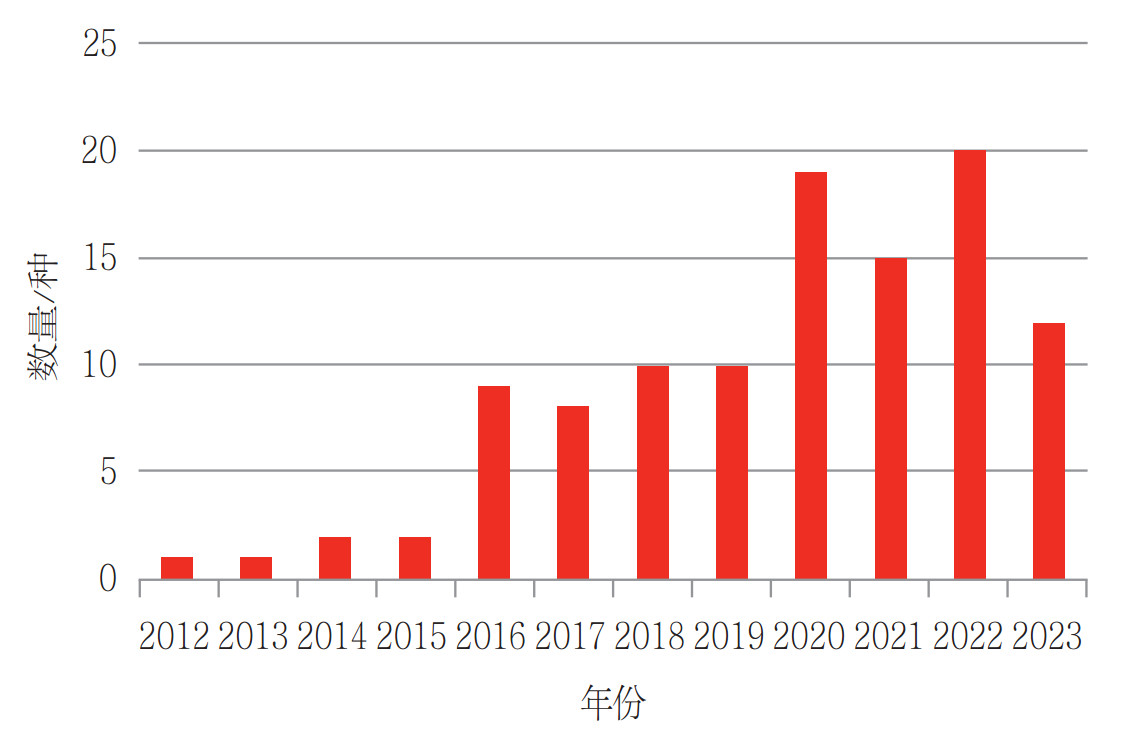
图 1  X平台开通年份分布
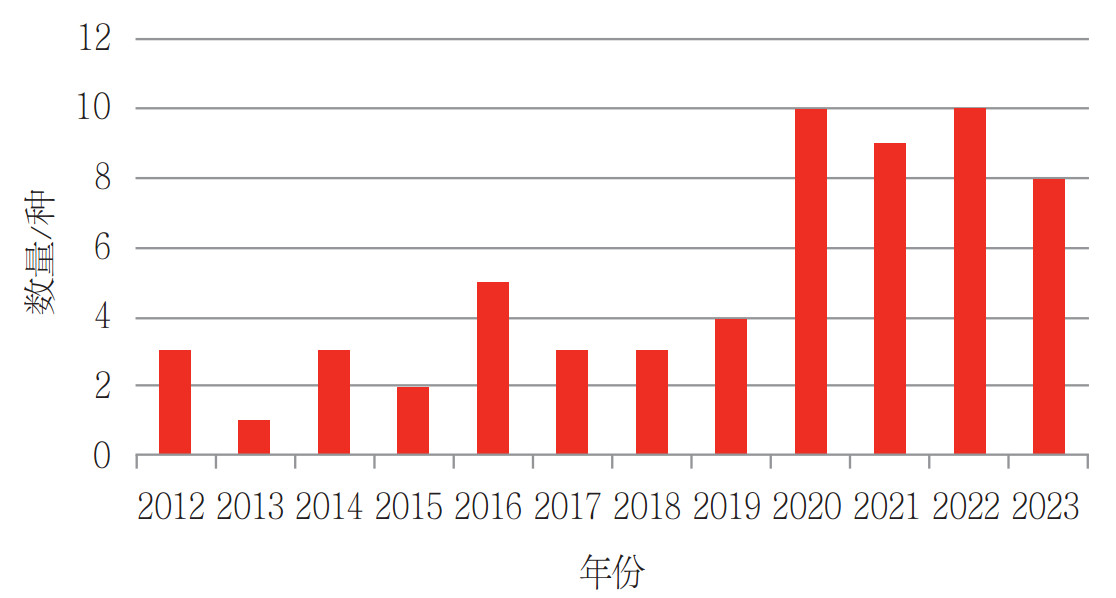
图 2  Facebook平台开通年份分布
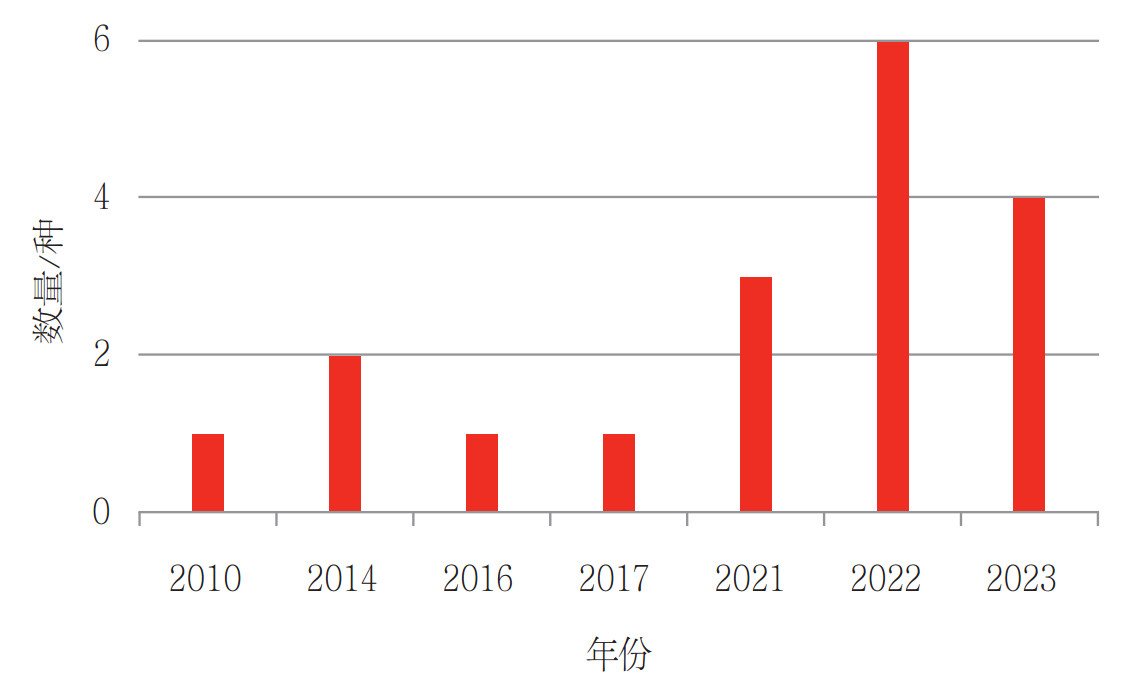
图 3  YouTube平台开通年份分布
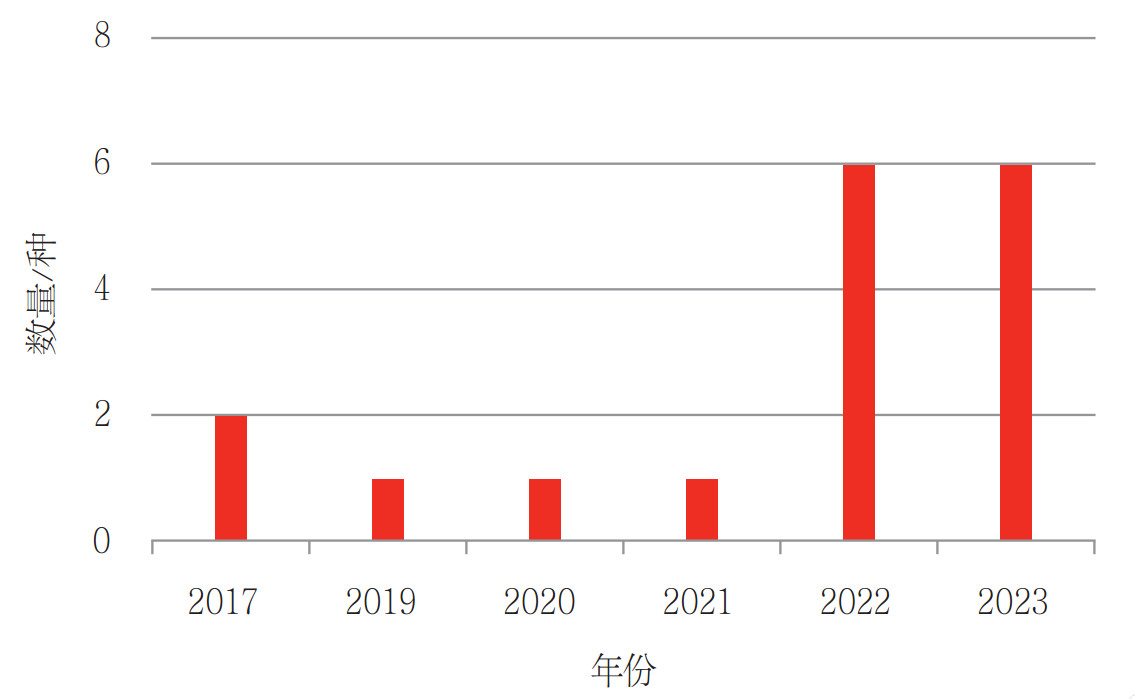
图 4  Instagram平台开通年份分布
表 2  X、Facebook、YouTube、Instagram平台发布浏览量位居前2名的英文科技期刊
表 3  我国英文科技期刊在X上传播效果测量指标
表 4  我国英文科技期刊在Facebook上传播效果测量指标
表 5  我国英文科技期刊在YouTube上传播效果测量指标
表 6  中国英文科技期刊在Instagram上传播效果测量指标
1 习近平. 高举中国特色社会主义伟大旗帜为全面建设社会主义现代化国家而团结奋斗:在中国共产党第二十次全国代表大会上的报告[N]. 人民日报,2022-10-26(1).
2 中国科学技术协会. 中国科技期刊发展蓝皮书(2023)[M]. 北京: 科学出版社, 2023.
3 程鹏. 高校英文科技期刊利用国际社交媒体提高国际影响力的思考[J]. 编辑学报, 2019, 31 (S2): 163- 165.
4 夏丽云, 徐敏赟, 丁懿楠, 等. 智能推荐算法下的科技期刊国际传播策略研究:以中国科技期刊卓越行动计划入选期刊为例[J]. 中国科技期刊研究, 2023, 34 (11): 1486- 1493.
doi: 10.11946/cjstp.202308200673
5 孟耀. 国外学术期刊媒介融合发展探讨[J]. 新媒体研究, 2018, 4 (23): 98- 99.
doi: 10.3969/j.issn.1671-7597.2018.23.042
6 周华清, 李来斌, 郑骋. 国际顶级科技期刊学术短视频运营模式分析及启示[J]. 中国科技期刊研究, 2022, 33 (1): 76- 83.
7 徐婷婷, 柴玥. 基于6种中外生科类期刊对比的新媒体化传播研究[J]. 中国科技期刊研究, 2020, 31 (2): 159- 165.
8 程海燕, 管荣华, 张译方, 等. 上海文化品牌在国际社交媒体上的传播效果研究[J]. 新闻传播, 2022 (9): 9- 11.
9 罗雪. 浅论我国媒体的国际传播效果评估体系构建[J]. 当代电视, 2016 (10): 78- 80.
10 陈强, 张杨一, 马晓悦, 等. 政务B站号信息传播效果影响因素与实证研究[J]. 图书情报工作, 2020, 64 (22): 126- 134.
11 何杰玲, 胡英奎. 英文科技期刊运用互联网思维提升国际传播力路径探究[J]. 传播与版权, 2024 (10): 36-38,52.
12 俞征鹿, 马峥, 焦一丹, 等. 我国新创办英文科技期刊的市场营销策略探究[J]. 科技与出版, 2023 (2): 115- 124.
doi: 10.16510/j.cnki.kjycb.20230221.001
13 李媛. 中文科技期刊国际化的现状与出路[J]. 出版广角, 2019 (5): 15- 20.
[1] 张怀东. 科技期刊短视频传播效果影响因素实证研究[J]. 科技与出版, 2024, 43(8): 60-66.
[2] 郭欣,张焱丽,徐云峰. 医学期刊新媒体传播效果的比较分析与提升策略*[J]. 科技与出版, 2024, 43(8): 92-98.
[3] 李双,刘世华,王新娟. 我国英文科技期刊国际影响力提升策略研究*[J]. 科技与出版, 2024, 43(7): 84-91.
[4] 杜焱,邓履翔,刘洋. 我国英文科技期刊青年编辑职业发展研究*[J]. 科技与出版, 2024, 43(6): 87-94.
[5] 李宁,吴坚. 我国英文科技期刊国际话语权影响因素与建构策略*[J]. 科技与出版, 2024, 43(5): 68-75.
[6] 任胜利,丁佐奇,宁笔,陈哲. 2023年我国英文科技期刊发展回顾[J]. 科技与出版, 2024, 43(3): 46-54.
[7] 王维国,刘姝妤. 哲学社会科学学术期刊阐释传播党的创新理论探析*[J]. 科技与出版, 2024, 43(11): 12-22.
[8] 范晨芳,任延刚,郭梦征,陈诺,王诗淳. 我国英文科技期刊国际绩效性声誉分析*[J]. 科技与出版, 2024, 43(11): 122-132.
[9] 周蔚华,程丽. 我国出版企业的社会责任及其优化路径*[J]. 科技与出版, 2024, 43(10): 5-15.
[10] 任胜利, 杨洁, 宁笔, 陈哲, 马峥. 2022年我国英文科技期刊发展回顾[J]. 科技与出版, 2023, 42(3): 50-57.
[11] 俞征鹿,马峥,焦一丹,田瑞强. 我国新创办英文科技期刊的市场营销策略探究*[J]. 科技与出版, 2023, 42(2): 115-124.
[12] 李杨,柯瑞丰,林芝. 出版机构打造健康科普类短视频的叙事优化策略分析*[J]. 科技与出版, 2022, 41(6): 83-88.
[13] 陈璐, 刘谦. 从供给侧改革谈我国英文科技期刊的发展策略*[J]. 科技与出版, 2022, 41(4): 29-36.
[14] 任胜利, 李响, 杨海燕, 宁笔, 陈哲. 2021年我国英文科技期刊发展回顾[J]. 科技与出版, 2022, 41(3): 73-83.
[15] 宁笔, 杜耀文, 任胜利, 陈哲. 2020年我国英文科技期刊发展回顾[J]. 科技与出版, 2021, 40(3): 60-66.