Please wait a minute...
科技与出版  2025, Vol. 44 Issue (5): 51-59    
产业观察
综合性科技期刊影响力要素研究及启示
林润华,祝叶华,刘志远,李娜
科技导报社,100081,北京
Determinants of Comprehensive Scientific and Technological Journals' Impact: A Study and Its Implications
LIN Runhua,ZHU Yehua,LIU Zhiyuan,LI Na
Science & Technology Review, 100081, Beijing, China
全文: HTML    PDF(9037 KB)  
输出: BibTeX | EndNote (RIS)      
摘要: 

文章概述科技期刊与科技创新的相互促进关系,梳理国内外综合性科技期刊发展现状,对ScienceNature、《科学通报》等9种知名综合性科技期刊进行调研分析,采用鲁坦(Ruttan)模型等方法对科技期刊影响力要素进行比较研究。研究发现,精准定位目标受众、聚焦核心研究领域、优化内容设置、合理配置资源、推动数字化转型等是综合性科技期刊影响力提升的关键。

关键词 综合性科技期刊期刊影响力要素期刊定位目标受众鲁坦模型    
Abstract

This paper analyzes the intricate relationship between scientific journals and technological innovation in depth, drawing upon insights from both the history of science and technology and the current landscape of global comprehensive scientific journals. It delves into how scientific journals have evolved in tandem with major technological revolutions, playing a pivotal role in facilitating scientific communication and catalyzing innovation. By examining the historical trajectory of scientific journals, this study analyzes their advent and evolution as integral components of the scientific ecosystem during periods of significant technological upheaval. The analysis encompasses a systematic survey and detailed examination of nine prominent domestic and international comprehensive scientific journals, including Science, PNAS, Nature, Bulletin of the Chinese Academy of Sciences, and China Engineering Science, etc. These journals were selected based on their substantial influence, historical significance, and representation of diverse comprehensive scientific journals. The Ruttan model, a robust analytical framework, alongside other advanced methods are used to conduct a comparative analysis of the core positioning elements of these scientific journals. These elements include the target audience, coverage areas, and content columns, which collectively define the identity and impact of each journal. The findings indicate that the success of comprehensive scientific journals depends on several key factors. Foremost among them is the accurate positioning of the target audiences. This strategic approach, targeting specific groups including researchers, policymakers, and science-interested public, is essential for tailoring content to meet their differentiated needs. Through accurate identification and service of these distinct audiences, journals can enhance their relevance and utility. Focusing on the core areas of the journal ensures that it preserves a clear academic direction and depth in its coverage, thereby establishing a strong foundation for academic discourse. Furthermore, optimizing content settings through well-structured columns and sections further enhances the readability and usability of the journal, thus improving its accessibility and reader engagement. Additionally, appropriate allocation of resources, including financial support, editorial talent, and technological infrastructure, emerges as a crucial factor for sustaining high-quality publications. Sufficient resources enable journals to attract top-tier submissions, facilitate rigorous peer-review processes, and uphold high editorial standards. Furthermore, embracing digital transformation through advanced technologies and platforms can significantly enhance the dissemination efficiency and overall impact of scientific journals. In an era dominated by digital communication, leveraging technology is essential for expanding audience reach and fostering global scientific collaboration. The findings provide valuable reference for improving the editorial quality of domestic comprehensive scientific journals as well as subject-specific scientific journals. By learning from the successful experiences of their international counterparts, domestic journals can better adapt to the rapidly evolving scientific landscape and contribute more effectively to the scientific and technological advancement. This study also emphasizes the potential for domestic journals to leverage their unique strengths, such as regional scientific focus and cultural contexts, to establish a distinctive niche within the global scientific community. This study ultimately presents the strategic development of comprehensive scientific journals, empowering them to become influential platforms for scientific communication and innovation in the digital era.

Key wordscomprehensive scientific and technological journals    determinants of journal impact    journal positioning    target audience    Ruttan Model
出版日期: 2025-06-05

引用本文:

林润华,祝叶华,刘志远,李娜. 综合性科技期刊影响力要素研究及启示[J]. 科技与出版, 2025, 44(5): 51-59.
LIN Runhua,ZHU Yehua,LIU Zhiyuan,LI Na. Determinants of Comprehensive Scientific and Technological Journals' Impact: A Study and Its Implications. Science-Technology & Publication, 2025, 44(5): 51-59.

链接本文:

http://kjycb.tsinghuajournals.com/CN/      或      http://kjycb.tsinghuajournals.com/CN/Y2025/V44/I5/51

表 1  9种综合性科技期刊信息简况
表 2  9种综合性科技期刊目标受众比较分析
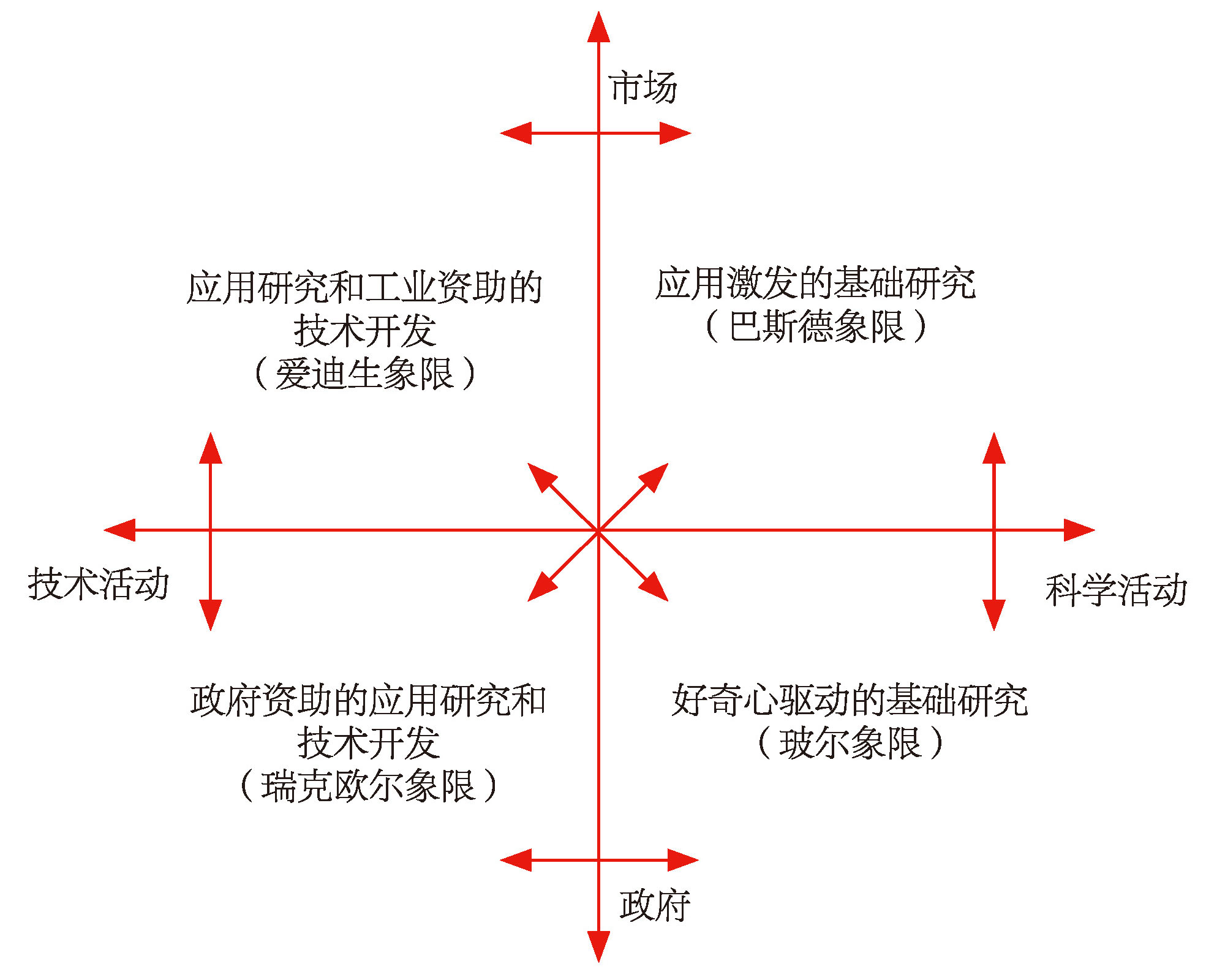
图 1  鲁坦的科技研究分类象限模型
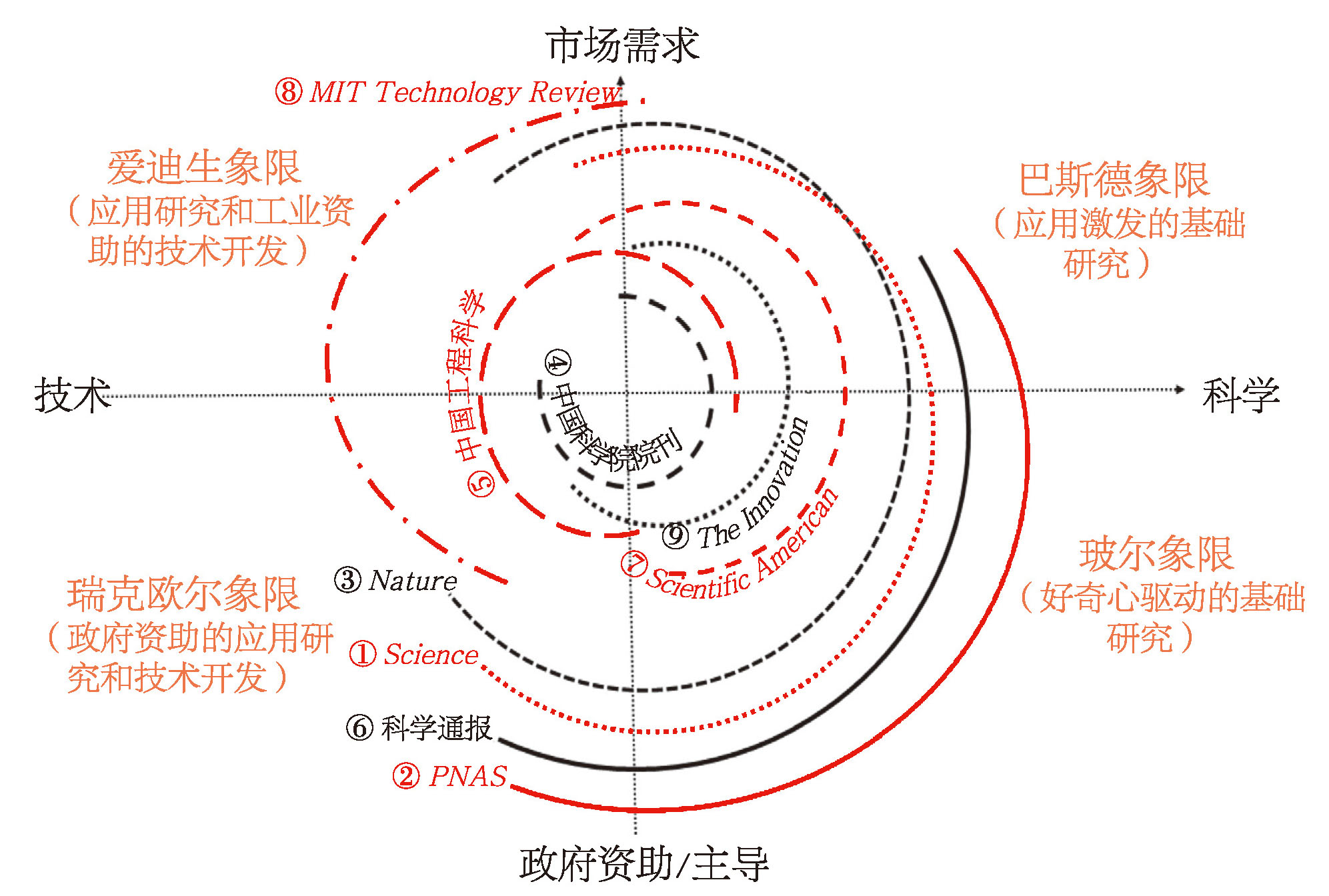
图 2  9种综合性科技期刊重点关注的研究领域的差异
表 3  9种综合性科技期刊栏目内容占比分析
1 曾群,胡晓梅,杨玙.综合性科技期刊重点栏目建设路径探讨:以《华中师范大学学报(自然科学版)》为例[J].黄冈师范学院学报,2024(6):1-5.
doi: 10.3969/j.issn.2096-7020.2024.06.001
2 刘志远.综合性科技期刊与学会合作出版专题的实践:以《科技导报》为例[J].编辑学报,2024(2):175-178.
3 邵煜,亢小玉.困境与突破:综合性科技期刊科普功能建设探索与实践[J].编辑学报,2024(1):68-72.
4 陆雁,黎贞崇.综合性科技期刊主编的素质特征及岗位职责:以《广西科学》和《广西科学院学报》为例[J].编辑学报,2024(1):114-118.
5 彭远红.细分领域背景下综合性科技期刊发展路径探索[J].西南石油大学学报(社会科学版),2024(1):112-118.
6 祝叶华,卫夏雯.我国综合性科技期刊国际化发展实践与路径[J].出版广角,2023(22):11-16.
7 李祖平.综合性科技期刊为学术研究提供服务的能力与路径分析[J].科技与出版,2013(10):119-120.
8 刘志远.学科交叉背景下综合类科技期刊发展策略:《科技导报》办刊实践分析[J].中国科技期刊研究,2017(3):282-285.
9 张新玲,谢永生.国外顶级学术期刊《Nature》新媒体应用研究[J].中国传媒科技,2017(4):75-76.
10 金鑫,闫群.《美国科学院院刊》办刊特点及对我国建设世界一流科技期刊的启示[J].科技与出版,2021(10):88-94.
doi: 10.16510/j.cnki.kjycb.20211008.001
11 徐丽娇,陈广仁.中文综合性科技期刊发展现状、挑战和策略:以12种自然科学综合类期刊为例[J].今日科苑,2022(2):80-90.
12 何光启.第六次科技革命的战略机遇[M].2版北京:科学出版社,2015:216.
13 刘鹏.学术期刊:从交流媒介到学科建制:以《哲学汇刊》为中心的研究[J].现代出版,2021(4):64-74.
14 刘立.科技政策学研究[M].北京:北京大学出版社,2011:50.
[1] 段艳文. 期刊在全民阅读中的功能、定位、问题与对策[J]. 科技与出版, 2020, 39(7): 21-28.
[2] 李祖平. 综合性科技期刊为学术研究提供服务的能力与路径分析[J]. 科技与出版, 2013, 32(10): 119-120.
[3] 周树立. 近代中国第一份科普期刊——《格致汇编》[J]. 科技与出版, 2012, 31(12): 95-98.