|
|
|
| Analysis of Publishing Institution Slogans Based on Brand Image Theory |
| JIN Qiang1,ZHOU Yi2 |
1. Intercultural Communication Research Centre, Hebei University, 071000, Baoding, China
2. School of Communication, East China Normal University, 200241, Shanghai, China |
|
|
|
|
Abstract With the continuous innovation of the publishing industry, competition over products and services has intensified. Major publishing entities have evolved from competing solely on book products to engaging in deeper strategic competition centered on shaping and disseminating brand value. Slogans play a crucial role in brand communication by not only conveying the brand core message with precision but also enhancing audience recall through diverse visual designs. As a key instrument for promoting brand image, slogans also represent a significant manifestation of New Quality Productive Forces. This study is based on the Brand Image Theory proposed by David Ogilvy in 1960, which conceptualizes brand image as consumers’ comprehensive emotional responses and associations with brand-related attributes. The theory extends beyond the scope of product attributes and covers multiple dimensions such as brand personality, brand value, brand recognition, long-term investment, and emotional connections. Focusing on the slogans of China’ s national first-class publishing institutions, namely the "Top 100 Book Publishing Units in China", this research employs case analysis, text analysis, and comparative methods to examine the textual characteristics of domestic publishing institution slogans from both the consumer perspective and the enterprise value proposition. From a linguistic standpoint, concise slogans accurately convey the core values of the enterprise in a refined form, effectively forging the brand’ s identity; symbolic slogans leverage diverse sentence structures and creative rhetoric to activate brand expression; emotional slogans foster brand identification through narrative-driven scenarios. In terms of content, good slogans should anchor brand genes through characteristic positioning, build brand coordinates via audience orientation, and shape brand core through value guidance. Findings indicate that high-quality slogans can shape professional consciousness, enhance centripetal force to unite a community of faith, and activate team momentum through the internalization of values in terms of internal management value. In terms of market value, market positioning enables brand differentiation, quality trust drives consumer conversion, and unique value propositions define industry leadership. In terms of brand value, emotional resonance enhances brand warmth, while value resonance elevates reputation. Adhering to the principle of honing brand trust, loyalty is reinforced through cultural memory. However, current slogan designs exhibit notable shortcomings: content often fails to reflect institutional development goals and lacks differentiation and adaptability to contemporary contexts; communication channels remain limited, with insufficient sustained promotion and misalignment with broader brand-building efforts; and employee identification is frequently overlooked, preventing deep integration into organizational cultural construction. To address these issues, this study proposes three suggestions: first, innovate design methods and update target objectives in a timely manner; second, follow digital communication trends by selecting appropriate channels and enhancing evaluation of communication effectiveness; third, establish a systematic slogan management framework to strengthen maintenance, ensure timely updates, and cultivate professional talents. The study provides both theoretical and practical guidance for brand building of publishing institutions, supporting the sustainable advancement of the publishing industry within the context of a cultural powerhouse.
|
|
Published: 09 January 2026
|
|
|
|

| 出版机构名称 | 标语 | | 湖南文艺出版社 | 催生创造,致力分享 | | 重庆出版社 | 书行天下,传承文明 | | 上海译文出版社 | 有我世界更大 | | 北京出版集团 | 原创、专业、首善 | | 中国轻工业出版社 | 科学有益,实用时尚 |
|
|
|
| 出版机构名称 | 标语 | | 厦门大学出版社 | 蕴大学精神,铸学术精品 | | 中央编译出版社 | 思想文化的摆渡者——在东西方之间 | | 化学工业出版社 | 读者的需求,我们的追求 | | 明天出版社 | 今天读明天童书,明天圆今天梦想 | | 浙江摄影出版社 | 给你一双明亮的眼睛看世界 |
|
|
|
| 出版机构名称 | 标语 | | 上海文艺出版社 | 把心交给读者 | | 华东师范大学出版社 | 给您一个智慧的人生 | | 广西师范大学出版社 | 为了人与书的相遇 | | 江西人民出版社 | 永远为人民出好书 | | 安徽少年儿童出版社 | 心存孩子,面向未来 |
|
|
|
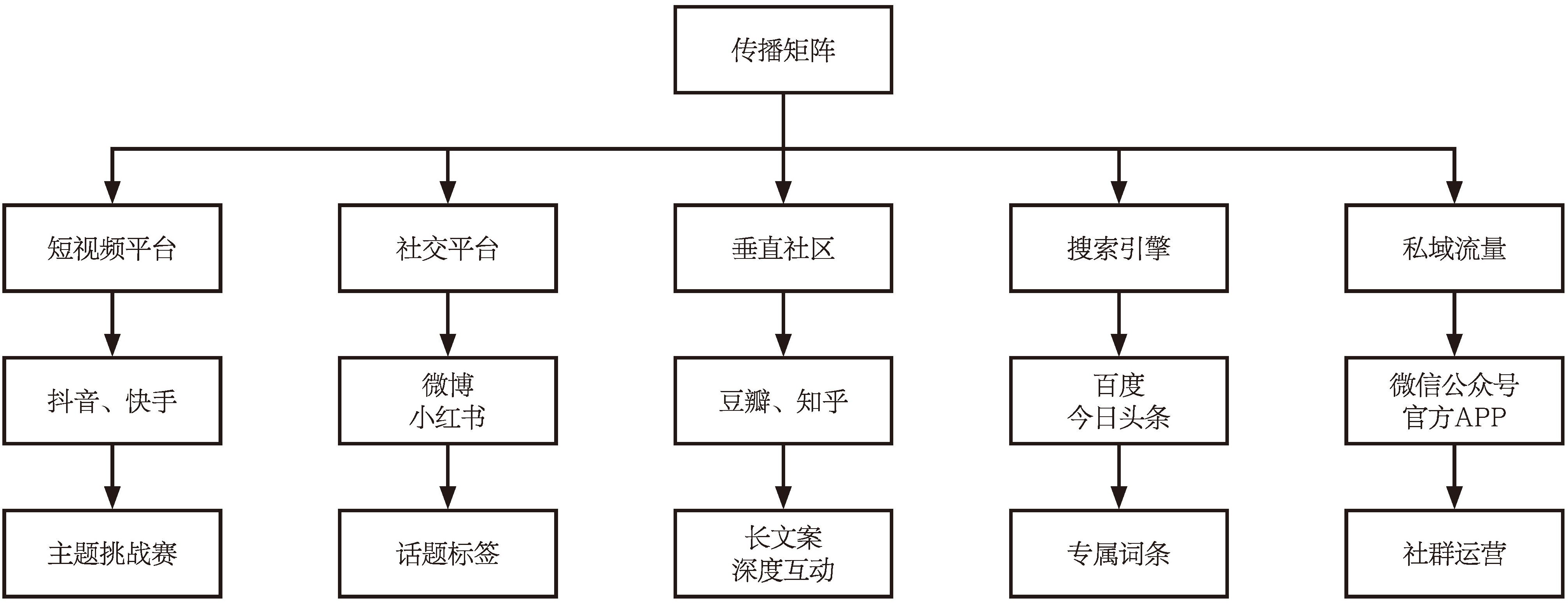
|
|
|
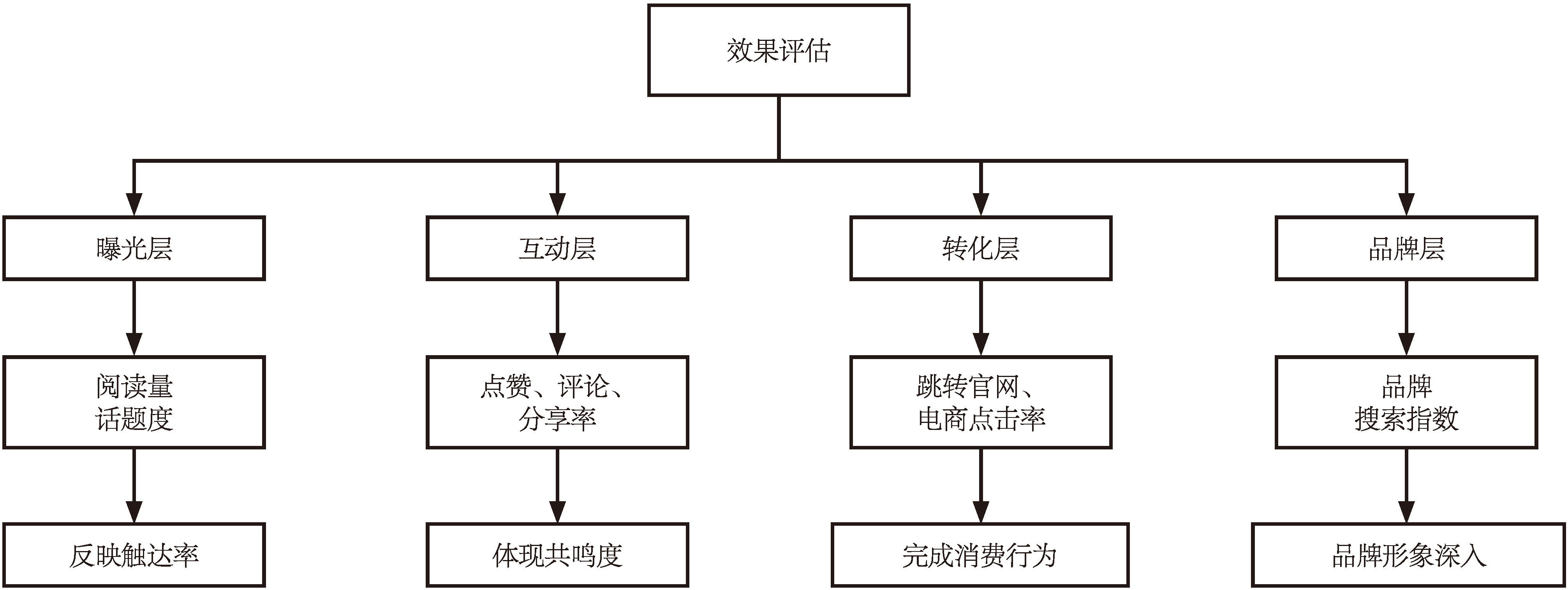
|
|
|
| 1 |
曹建, 张钰. 我国出版品牌建设的经验与思考[J]. 出版广角, 2020 (20): 6- 9.
|
| 2 |
毛镜澄. 出版社品牌建设的挑战及应对策略[J]. 出版广角, 2024 (19): 64- 68.
|
| 3 |
李三帅, 黄丽桦, 孙晓强. 品牌形象塑造的理论演进与未来趋势[J]. 品牌与标准化, 2024 (6): 90- 92.
|
| 4 |
刘火雄. 品牌建构与价值传播:我国图书出版机构标语解析[J]. 科技与出版, 2024 (2): 113- 120.
|
| 5 |
习近平在中共中央政治局第十一次集体学习时强调: 加快发展新质生产力扎实推进高质量发展[N]. 人民日报, 2024-02-02(1).
|
| 6 |
大卫·奥格威. 一个广告人的自白[M]. 林桦, 译. 北京: 中信出版集团, 2015: 282.
|
| 7 |
田烨. 书店宣传标语的共识动员:话语策略、氛围营造与仪式建构[J]. 中国出版, 2022 (21): 52- 55.
|
| 8 |
杨忠杨, 冯小曼. 基于共识动员的"全民阅读"宣传标语话语生产研究[J]. 出版科学, 2024 (6): 41- 49.
|
| 9 |
袁丽媛, 张雅寒. 新时代童书出版的创新之径[J]. 河南大学学报(社会科学版), 2024 (4): 147-151, 156.
|
| 10 |
陆高峰. 红军长征期间的信息传播体系与策略[J]. 编辑之友, 2018 (5): 88- 93.
|
| [1] |
SUN Baoying,ZHANG Ning. Talent Dilemma and Relief in Digital-Intelligent Transformation of Academic Publishing Institutions[J]. Science-Technology & Publication, 2025, 44(9): 87-94. |
| [2] |
PENG Zhaoyi,FU Xiaojing. Shifting toward Medium and Long Videos :Development Path of Publishing Institution Content Operation :Take the Bilibili Platform as Example[J]. Science-Technology & Publication, 2025, 44(4): 85-93. |
| [3] |
JIANG Fan. Status Quo Assessment and Pathway Exploration of Brand Building in Chinese Publishing Enterprises : A Questionnaire-based Study[J]. Science-Technology & Publication, 2025, 44(12): 112-121. |
| [4] |
ZHANG Jiashuo,JIN Fan,ZHANG Xiaofan,HUANG Guobin. Conceptual Connotation and Practical Elements of Ethical Principles for Scientific Data Publishing Applicable to Academic Publishing Institutions[J]. Science-Technology & Publication, 2025, 44(10): 50-63. |
|
|
|
|