Please wait a minute...
科技与出版  2025, Vol. 44 Issue (11): 94-102    
出版育英
新质生产力视角下学术期刊编辑能力框架构建研究
张馨文1,2,3,李春丽1,2,朱明1
1. 江南大学食品学术期刊中心,214122,江苏无锡
2. 江南大学《食品与生物技术学报》编辑部,214122,江苏无锡
3. 江南大学Food Bioscience编辑部,214122,江苏无锡
Research on Constructing an Editorial Competency Framework for Academic Journals from the Perspective of New Quality Productive Forces
ZHANG Xinwen1,2,3,LI Chunli1,2,ZHU Ming1
1. Food Academic Journals Center of Jiangnan University, Jiangnan University, 214122, Wuxi, China
2. Editorial Office of Journal of Food Science and Biotechnology, Jiangnan University, 214122, Wuxi, China
3. Editorial Office of Food Bioscience, Jiangnan University, 214122, Wuxi China
全文: HTML    PDF(10063 KB)  
输出: BibTeX | EndNote (RIS)      
摘要: 

本研究立足于新质生产力的创新内核与逻辑,提出由认知、技能、行为与适应4个维度构成的编辑能力框架,旨在为学术期刊编辑能力的结构优化与系统设计提供分析工具与理论支撑。该框架强调能力要素之间的动态协同与系统性联动,试图为当前编辑能力模型建设中存在的结构静态性、协同失效与环境适应滞后等问题提供解释视角。通过构建具备系统韧性与适应弹性的编辑能力结构模型,意在为学术期刊实现从内容生产向知识服务与价值引领转型过程中,编辑能力的结构优化与系统升级提供理论支持。

关键词 新质生产力学术期刊编辑编辑能力框架    
Abstract

Grounded in the innovative core and intrinsic logic of new quality productive forces, this study proposes a four-dimensional editorial competency framework encompassing cognition, skills, behavior, and adaptation, aiming to provide an analytical tool and theoretical foundation for the structural optimization and systematic design of academic journal editors' capabilities. It emphasizes the dynamic synergy and systemic interaction among these competency elements, offering an explanatory perspective for prevalent issues in current editorial competency models, such as structural rigidity, ineffective coordination, and lagging environmental adaptation. By constructing an editorial competency model characterized by systemic resilience and adaptive flexibility, this research intends to provide theoretical support for the structural optimization and systemic upgrade of editorial capabilities during the critical transformation of academic journals from content producers to knowledge service providers and value leaders. The rapid advancement of new quality productive forces, driven by technologies like artificial intelligence and big data alongside the global push for open science, is fundamentally reshaping the academic publishing ecosystem, extending journal competitiveness beyond traditional academic quality to encompass dissemination efficiency, openness, and user engagement. Consequently, the editor's role is evolving from traditional manuscript handling towards becoming a strategic coordinator, technology integrator, and knowledge service architect. However, existing editorial competency models—often based on classic theories like the competency model, iceberg model, and onion model—exhibit significant limitations in this new context, as they tend to be static, focus on individual skills in stable environments, and lack mechanisms to address the dynamic interplay and synergistic linkage among diverse capabilities required for complex tasks like cross-disciplinary evaluation and ethical governance of AI-generated content. To address these gaps, the proposed four-dimensional framework adopts a systemic perspective: the cognitive dimension forms the cornerstone, involving the reconstruction of systems thinking and scholarly judgment, requiring editors to develop holistic insights, interdisciplinary sensitivity, and a value-based assessment system; the skill dimension undergoes an upgrade towards technological application and innovative practice, moving beyond operational proficiency to encompass the critical ability to evaluate, integrate, and ethically deploy technologies within the scholarly workflow; the behavior dimension expands to highlight enhanced collaboration, knowledge service provision, and scholarly leadership, positioning editors as network builders and service providers; and the adaptation dimension is crucial for ensuring the framework's longevity, involving strengthened environmental scanning and a commitment to structured, continuous learning. Crucially, this framework is a dynamic, interconnected system where the four dimensions interact and compensate for each other, allowing strengths in one area to offset temporary gaps in another, thereby enabling editors to navigate the complexities of the new publishing landscape. By offering a structured yet flexible approach to capability development, this research provides a theoretical basis and a practical pathway for academic journals to strategically reconfigure their editorial talent, supporting high-quality development and a successful transition into their enhanced role as knowledge service hubs within the innovation ecosystem, with future work needed for empirical validation, metric development, and contextual adaptation across different journal types.

Key wordsnew quality productive forces    academic journal editor    editorial competency    four-dimensional framework    dynamic capability system
出版日期: 2025-12-11
基金资助:2024年度中国农业期刊网研究基金项目(CAJW2024-082);2024年度江苏省高校理科学报期刊出版研究课题(JSLK2024A08);中国高校科技期刊研究会技术期刊专业委员会2025年技术期刊“善锋·仁和”专项基金项目(CUJS-TJ-2025-018)

引用本文:

张馨文,李春丽,朱明. 新质生产力视角下学术期刊编辑能力框架构建研究[J]. 科技与出版, 2025, 44(11): 94-102.
ZHANG Xinwen,LI Chunli,ZHU Ming. Research on Constructing an Editorial Competency Framework for Academic Journals from the Perspective of New Quality Productive Forces. Science-Technology & Publication, 2025, 44(11): 94-102.

链接本文:

http://kjycb.tsinghuajournals.com/CN/      或      http://kjycb.tsinghuajournals.com/CN/Y2025/V44/I11/94

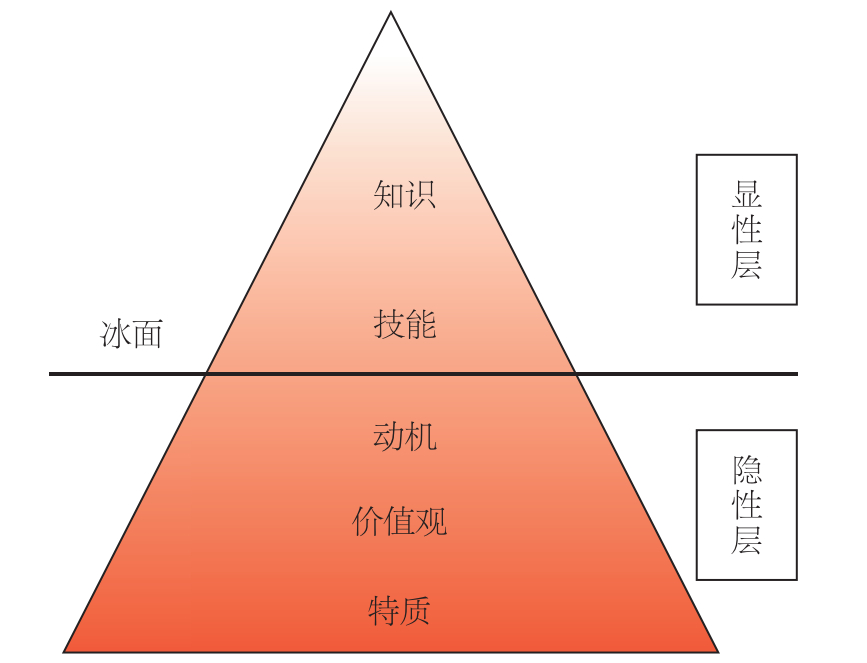
图 1  冰山模型图
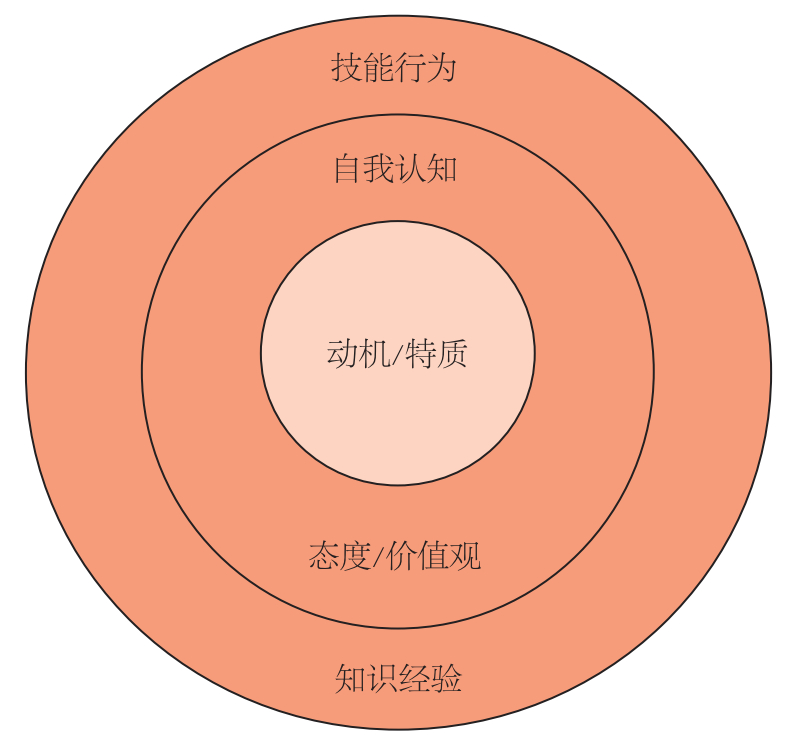
图 2  期刊编辑洋葱模型示意图
图 3  编辑四维能力动态协同系统构建示意图
1 陈悦, 王智琦, 宋凯, 等. 科学学视角下当代科技期刊的功能再定位[J]. 中国科技期刊研究, 2025, 36 (3): 251- 260.
2 左仲海, 王淑月. 出版业高质量发展路径研究:以新质生产力为核心驱动[J]. 科技与出版, 2025 (2): 51- 58.
3 庞达. 论媒体融合时代科技期刊编辑的新角色与自我发展[J]. 编辑学报, 2018, 30 (1): 21- 24.
4 吕曼婕. 基于胜任力模型的新媒体编辑能力需求分析[J]. 科技与出版, 2024 (5): 94- 97.
doi: 10.16510/j.cnki.kjycb.20240527.002
5 刘选. 基于冰山模型的期刊编辑专业成长路径优化[J]. 编辑学报, 2019, 31 (2): 227- 230.
6 谢文鸿, 潘永毅. 基于洋葱模型探究科技期刊编辑科研素养提升路径[J]. 科技与出版, 2024 (7): 126- 131.
doi: 10.16510/j.cnki.kjycb.20240712.004
7 MCCLELLAND D . Testing for Competence Rather Than for “Intelligence”[J]. American Psychologist, 1973 (28): 1- 14.
8 江波, 罗雯瑶, 刘景芝. 高校学报编辑胜任特征模型的初步构建[J]. 中国科技期刊研究, 2015, 26 (7): 733- 738.
9 王晓迪. 科技强国背景下高校科技期刊编辑胜任力模型的构建与验证[J]. 学报编辑论丛, 2024, 402- 408.
10 BOYATZIS R E . The competent manager:A model for effective performance[M]. New York: Wiley, 1982.
11 雷艳. 新质生产力背景下的学术期刊编辑胜任力:理论架构与实践路径[J]. 创新, 2025, 19 (3): 62- 72.
12 章光琼, 胡小忠, 蒋圣芹. 新时代编辑队伍建设:能力素养与发展路径[J]. 出版科学, 2024, 32 (6): 50- 58.
13 孙怡铭. 生成式人工智能技术背景下科技期刊审稿流程优化路径实证研究[J]. 中国数字出版, 2025, 3 (3): 21- 28.
14 方卿, 李佰珏. 新质生产力视角下编辑数智素养的内涵、价值和培育[J]. 出版与印刷, 2024 (2): 2- 13.
15 赵凯. 版权、伦理与价值观审核:人工智能生成内容(AIGC)对编辑职业能力的新挑战[J]. 科技与出版, 2023 (8): 62- 68.
doi: 10.16510/j.cnki.kjycb.2023.08.003
16 余来辉, 卢金燕, 谢文亮. 世界一流科技期刊建设背景下编辑全球胜任力模型构建[J]. 中国科技期刊研究, 2025, 36 (3): 331- 339.
17 刘建梅. 编辑绩效考核量化的探索与实践[J]. 科技与出版, 2020 (5): 85- 88.
18 赖莉飞. 基于层次分析法-熵权法的一流科技期刊编辑职业素质评价指标体系研究[J]. 中国科技期刊研究, 2022, 33 (8): 1104- 1111.
19 康军. 新时代高校学术期刊编辑的职业功能和价值重塑[J]. 学报编辑论丛, 2024, 413- 418.
20 金平. 面向知识服务的编辑角色定位与能力素质提升[J]. 中国编辑, 2021 (4): 82- 85.
21 王少. 生成式人工智能对学术不端治理的妨碍及对策[J]. 科学学研究, 2024, 42 (7): 1361- 1368.
22 张慕华. 人机协作与人机之争:数智时代学术期刊的机遇与挑战[J]. 山东社会科学, 2025 (3): 93- 102.
23 HORBACH S P J M , HALFFMAN W . Innovating editorial practices:Academic publishers at work[J]. Research Integrity and Peer Review, 2020 (5): 1- 15.
24 DA VEIGA A . Ethical guidelines for the use of generative artificial intelligence and artificial intelligence-assisted tools in scholarly publishing:a thematic analysis[J]. Science Editing, 2025, 12 (1): 28- 34.
doi: 10.6087/kcse.352
25 陈丽琴. 新质生产力视域下高校学术期刊高质量发展路径探析[J]. 中国出版, 2025 (7): 61- 65.
26 谭智雄. 大学出版社发展与高校教师队伍建设的互促机制研究[J]. 出版广角, 2025 (2): 44- 49.
27 黄先蓉, 罗玥莹. 数智赋能下的出版业新变革[J]. 出版广角, 2025 (1): 31- 37.
28 李雅筝, 刘洪权. AIGC技术赋能高校编辑出版人才培养:转型机遇、能力重构与实践策略[J]. 科技与出版, 2024 (2): 52- 57.
doi: 10.16510/j.cnki.kjycb.20240019.003
[1] 王鹏飞,毛志慧. 2024年出版学研究的十大热点话题[J]. 科技与出版, 2025, 44(6): 5-17.
[2] 王鹏飞,褚晓雨. 新局面下的多方求索:2024年的出版营销与运营[J]. 科技与出版, 2025, 44(3): 27-34.
[3] 左仲海,王淑月. 出版业高质量发展路径研究:以新质生产力为核心驱动[J]. 科技与出版, 2025, 44(2): 51-58.
[4] 张新新,陈少志. 加快建设数字出版三大体系,切实推动数字出版理论创新——数字出版“十四五”学术热点分析与“十五五”重要议题展望[J]. 科技与出版, 2025, 44(1): 61-76.
[5] 戴丽,胡永国,黄文杰,吴宗辉. 高校学术期刊编辑参与研究生学术诚信体系建设的路径研究*[J]. 科技与出版, 2024, 43(9): 34-39.
[6] 张立科. 新质生产力推动出版深度融合的逻辑必然与实践路径[J]. 科技与出版, 2024, 43(9): 40-46.
[7] 高虹. 新质生产力推动学术期刊高质量发展的理论逻辑与实践路径*[J]. 科技与出版, 2024, 43(7): 70-78.
[8] 李子星,张新新,李佰珏. 数字出版十大学术热点分析*[J]. 科技与出版, 2024, 43(4): 99-111.
[9] 王志标. 新时代学术期刊编辑的职业精神及其培育路径*[J]. 科技与出版, 2024, 43(3): 144-152.
[10] 范军,邹开元,田静瑶. 新质生产力推动出版业高质量发展的理论逻辑、价值意蕴、实践要求[J]. 科技与出版, 2024, 43(3): 90-95.
[11] 金会平,吴治平. 科技期刊在促进科技创新、推动新质生产力发展中的路径思考[J]. 科技与出版, 2024, 43(12): 76-82.
[12] 杨涵,庄红权. 基于新质生产力视阈的数字出版科技创新体系完善:问题与路径*[J]. 科技与出版, 2024, 43(12): 69-75.
[13] 孙玮,赵海云. 以国际出版为媒推动党的创新理论海外传播[J]. 科技与出版, 2024, 43(11): 42-49.
[14] 李建红,董侠. 新质生产力赋能新时代教育出版研究*[J]. 科技与出版, 2024, 43(11): 55-63.
[15] 刘骐荣,张新新. 全媒体出版传播体系视域的融合出版新模式研究*[J]. 科技与出版, 2024, 43(10): 69-79.