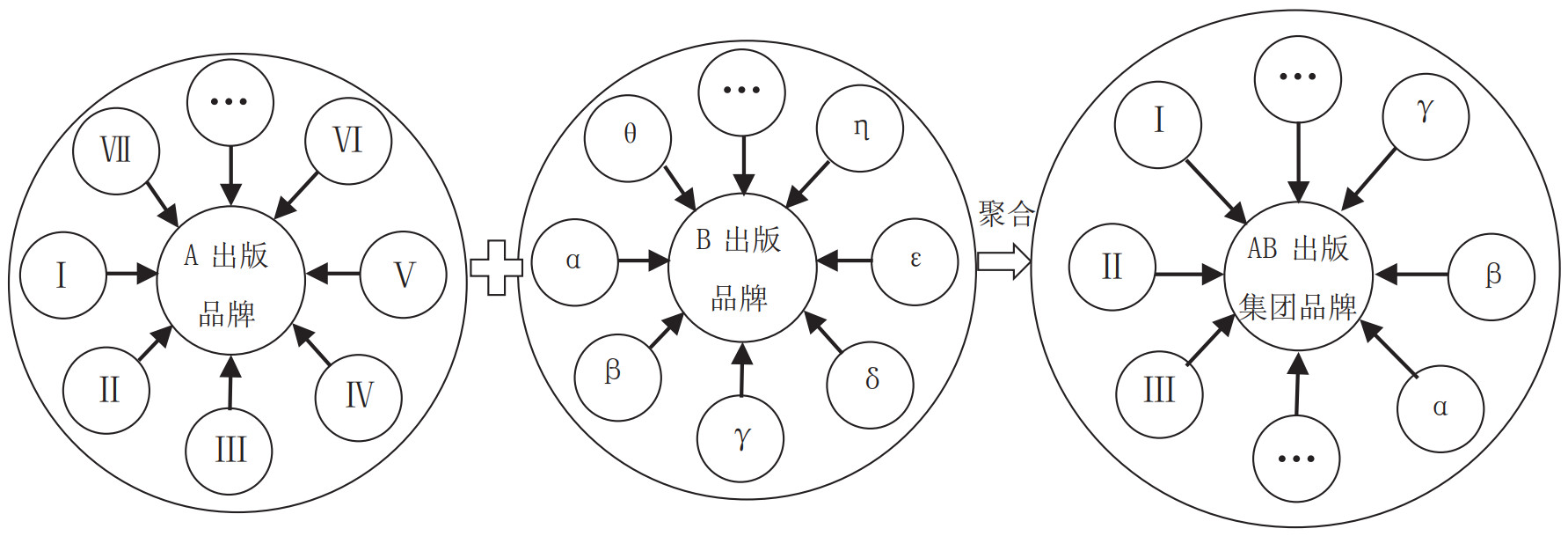
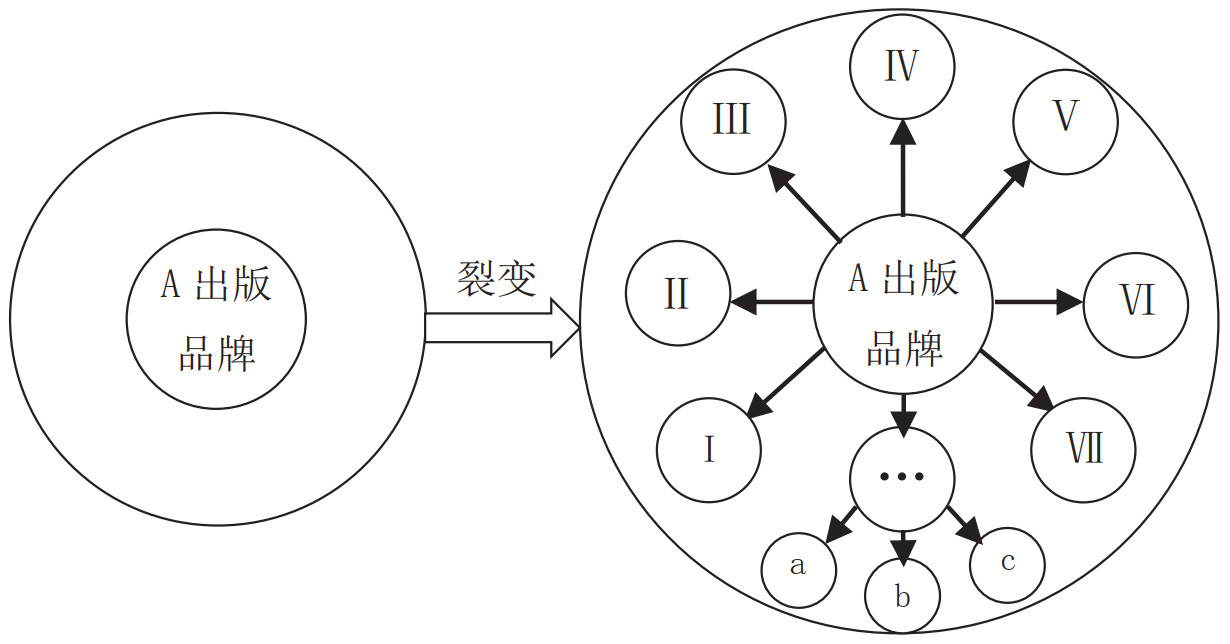
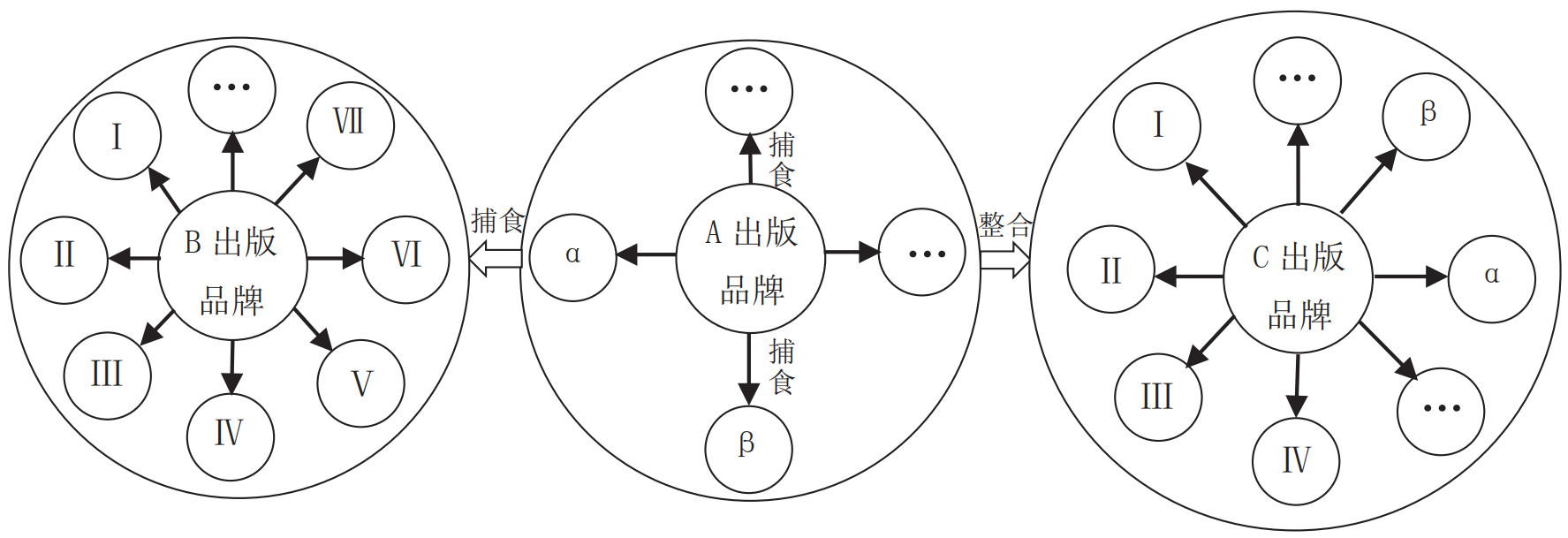
出版品牌族群的形成和发展过程,类似于生物种群的演化,是一个复杂而动态的过程。借助生态学的视角,可以系统分析并总结出我国出版品牌族群形成的具有代表性的三种模式:一是基于“地理隔离+行政权力因子”的聚合模式;二是基于“市场权力因子+技术权力因子”的裂变模式;三是基于“生态位+资本权力因子”的整合模式。在此基础上,分析我国出版品牌族群建构存在的主要问题,以及建构的主要原则,最后结合出版品牌生命周期的特点和波士顿矩阵分析法,提出具有针对性的出版品牌族群建构的优化策略。
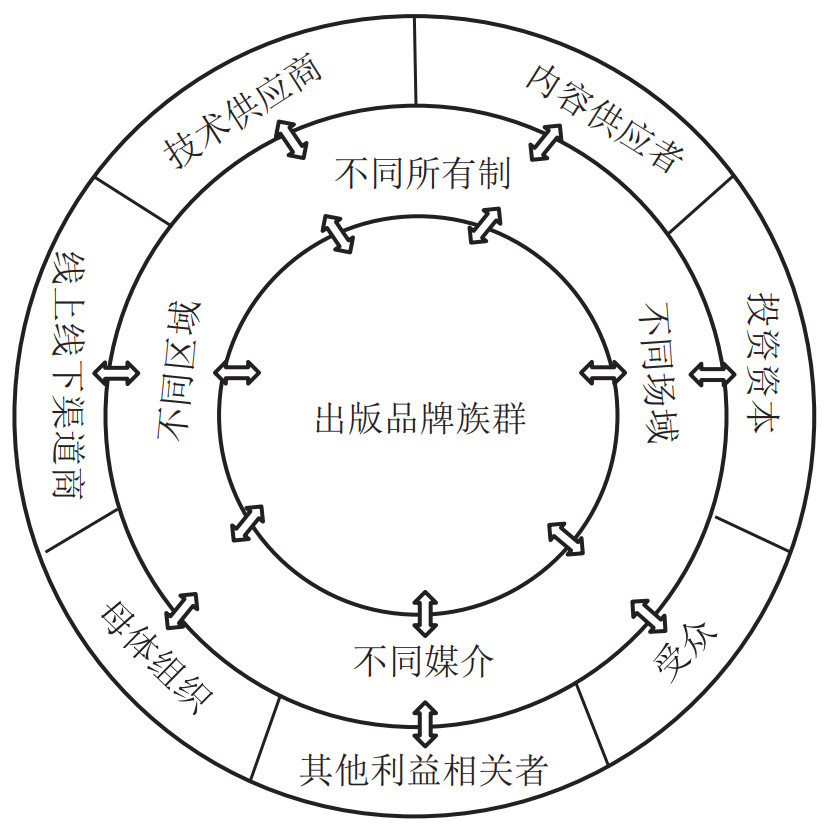
The formation and development of publishing brand groups, resembling the evolution of biological population, is a complex and dynamic process. From the perspective of ecology, it can be systematically analyzed and classified into three representative models in China. The first model is the aggregation model based on “geographical isolation and administrative power factor”. Its typical representative is the Shanghai Century Publishing Group. The second is the fission mode based on “market power factor and technical power factor”, with CITIC Publishing Group as its typical representative. The third is the integration mode based on “ecological niche and capital power factor”, best illustrated by China Literature Limited. On this framework, this paper identifies key challenges and main principles for the construction of publishing brand groups in China. From an ecological theory perspective, four challenges in the construction of China’s publishing brand groups are as follows: the vague positioning during the construction process, narrow niche width in the construction, insufficient interaction among different publishing entities during the construction, and excessive overlap of ecological niches during the construction process. The main principles of publishing brand groups construction in China include: the principle of symbiosis, the principle of adaptability, the principle of diversity, and the principle of life cycle. The symbiosis principle includes the symbiosis among different publishing brand groups, including the symbiosis of different regions, fields (publishing types), ownership and media publishing brand groups. The adaptability principle mainly includes market demand adaptability, technological development adaptability, cultural environment adaptability, and policy environment adaptability. The diversity principle means that the sub brands of the publishing brand group should be independent, and closely linked to form complementary advantages. The life cycle principle means that publishing institutions should develop publishing brand groups according to the characteristics of different stages of publishing brands, that is, incubation, growth, maturity and recession stages. Finally, combined with the characteristics of the publishing brand life cycle and the Boston matrix analysis method, optimization strategy for the construction of the publishing brand groups is proposed. In the incubation stage, efforts should focus on brand genes and concentrating resources to build core publishing brands. In the growth stage, it is necessary to expand the niche width and build a publishing brand group system with complementary advantages. In the maturity stage, it is essential to strengthen the interactions among publishing entities and promote the collaborative evolution of publishing brand groups. In the recession stage, it is necessary to avoid excessive niche overlap and identify new growth points of publishing brand groups.
杨扬. 生态理论视角下我国出版品牌族群建构优化研究[J]. 科技与出版, 2025, 44(2): 107-117. YANG Yang. Optimization of Publishing Brand Group Construction in China from the Perspective of Ecological Theory. Science-Technology & Publication, 2025, 44(2): 107-117.
http://kjycb.tsinghuajournals.com/CN/ 或 http://kjycb.tsinghuajournals.com/CN/Y2025/V44/I2/107
Cited