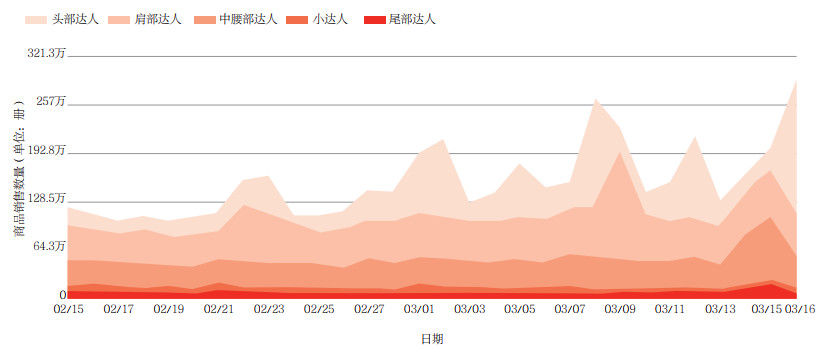
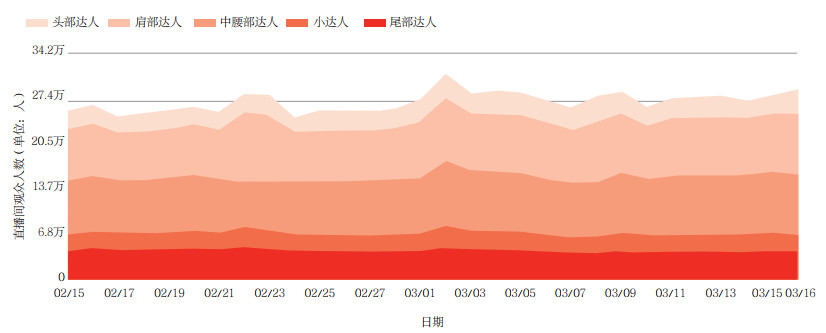
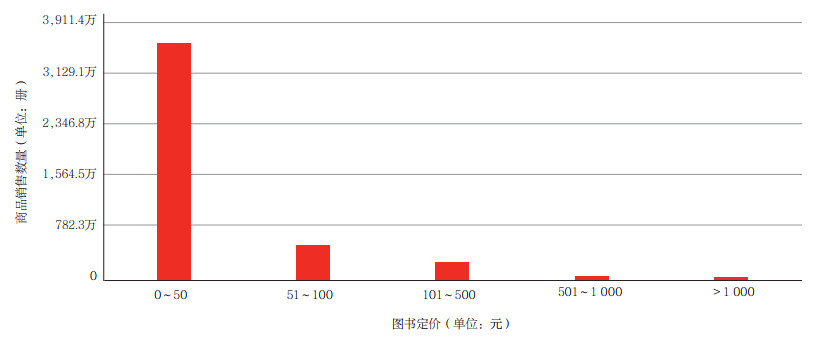
在数字技术与直播电商迅速发展的媒介生态下,图书直播电商正成为出版行业新的增长极。然而,其在快速崛起的同时,也面临头部账号垄断、营销模式单一、低价竞争加剧、算法依赖严重等结构性困境。本文基于抖音平台图书类直播销售数据与行业典型案例,从市场规模、参与主体与营销模式等三个维度全景呈现图书直播电商的发展态势,系统揭示其背后的模式困境,并从传播政治经济学视角,批判性分析平台算法逻辑对内容分发与价值判断的深刻影响。研究认为,当前图书直播电商虽推动了销量增长,但也带来了流量泡沫、品牌弱化和阅读功能退化等问题。对此,本文提出以“构建自主阵地、推动知识化转型、强化内容创新、培育私域社群”为核心的优化路径,以此推动图书直播从流量主导转向内容主导,实现“知识传播”与“市场转化”的双重价值。
With the rapid advancement of digital technology and expansion of e-commerce platforms, livestream marketing has emerged as a significant growth driver for China’s publishing industry. Unlike traditional book marketing channels, which rely heavily on physical bookstores, print advertising, and offline promotions, livestream marketing leverages real-time interactions, personalized content delivery, and algorithm-driven audience targeting to achieve substantial sales growth. Despite its apparent success, the model faces structural challenges, including pronounced “head effects, ” homogenized content strategies, intensifying price competition, and over-dependence on algorithmic distribution mechanisms. This paper critically examines these issues based on empirical data and case studies from book-related livestream marketing on the Douyin platform. It reveals several key findings. First, the market shows significant concentration effects, where a small number of leading livestreamers and influential publishing companies dominate the landscape, creating substantial entry barriers for small and mid-sized publishers. Second, the prevailing marketing strategy excessively emphasizes price competitiveness and immediate conversion, leading to severe homogenization and superficial content delivery. This approach diminishes users’ long-term engagement and weakens brand loyalty, failing to cultivate sustained reading habits or deeper cultural appreciation among consumers. Third, algorithmic mechanisms on platforms like Douyin exacerbate content imbalance by favoring short-term engagement metrics such as clicks, immediate purchases, and interaction frequency. Consequently, content with educational depth or cultural significance receives less exposure, reinforcing shallow consumer behavior and creating a misleading “traffic bubble” that does not reflect genuine consumer preferences. Additionally, intensified low-price competition undermines the publishing industry’s overall profitability and diminishes the perceived cultural value of books, potentially resulting in an unsustainable downward spiral in market quality and content innovation. To address these challenges, this paper proposes four innovative optimization strategies. First, publishers should invest in developing autonomous brand channels that leverage virtual technologies, such as AI-driven virtual hosts and immersive VR environments, to reduce dependence on leading influencers and enhance their own market influence. Second, the content strategy should shift from simple price-driven promotions toward knowledge-intensive, culturally enriched formats, such as thematic readings, author dialogues, and deep-dive discussions, to foster deeper consumer engagement and loyalty. Third, publishers must implement differentiated pricing and content categorization mechanisms to counteract harmful price competition. This could include limited editions, signed copies, or thematic book packages that enhance perceived product value and stimulate emotional connections with readers. Finally, cultivating private traffic pools and niche social communities is essential. Publishers can utilize algorithmic insights for personalized user interactions, enhance community cohesion through user-generated content, and strategically incorporate niche cultural elements (e.g., anime subculture) to engage younger audiences. In conclusion, while livestream marketing has proven effective in boosting short-term book sales, structural shortcomings exist, rooted in overly aggressive market competition and platform-driven traffic biases, thereby threatening long-term sustainability of the publishing industry. By reorienting toward content-driven, knowledge-based strategies and integrating innovative technologies and cultural engagement approaches, publishers can reclaim market autonomy, foster healthier consumer behaviors, and achieve sustainable growth in China’s evolving publishing landscape.
吕永峰,陈惊涛,王创业. 流量泡沫还是营销变革?——图书直播电商的模式困境与路径优化[J]. 科技与出版, 2025, 44(5): 119-130. LV Yongfeng,CHEN Jingtao,WANG Chuangye. Flow Traffic Bubble or Marketing Innovation: The Structural Dilemmas and Optimization Strategies of Book Live Commerce. Science-Technology & Publication, 2025, 44(5): 119-130.
http://kjycb.tsinghuajournals.com/CN/ 或 http://kjycb.tsinghuajournals.com/CN/Y2025/V44/I5/119
Cited