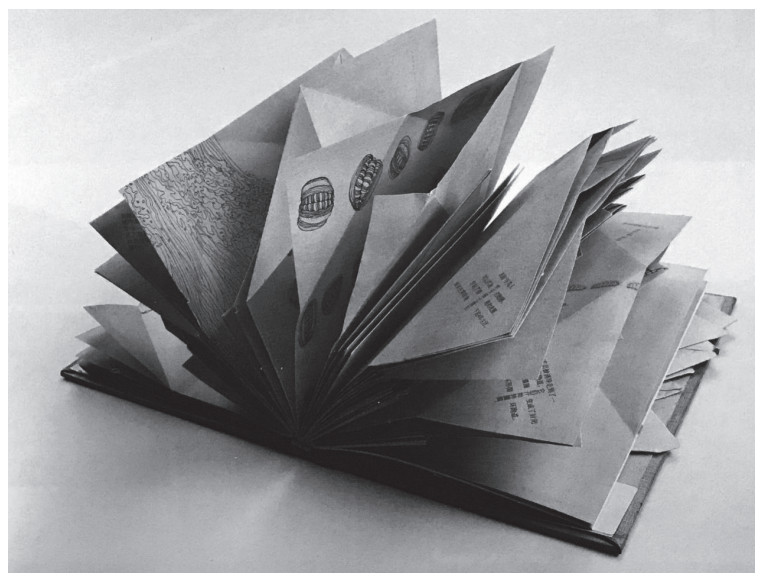
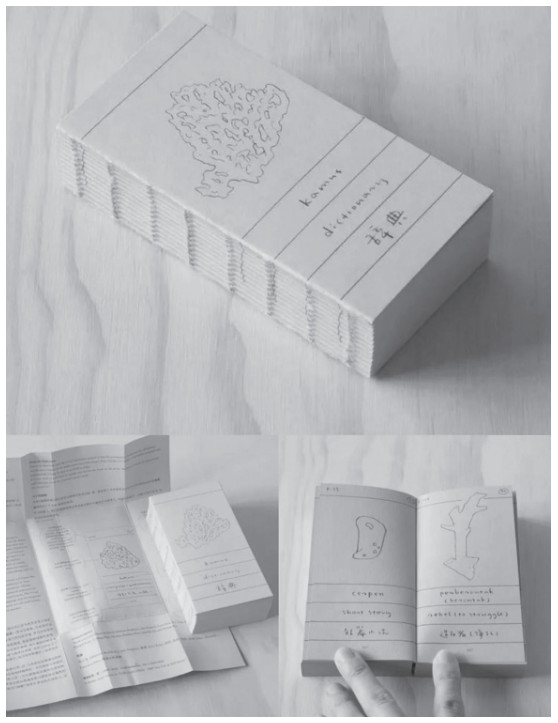
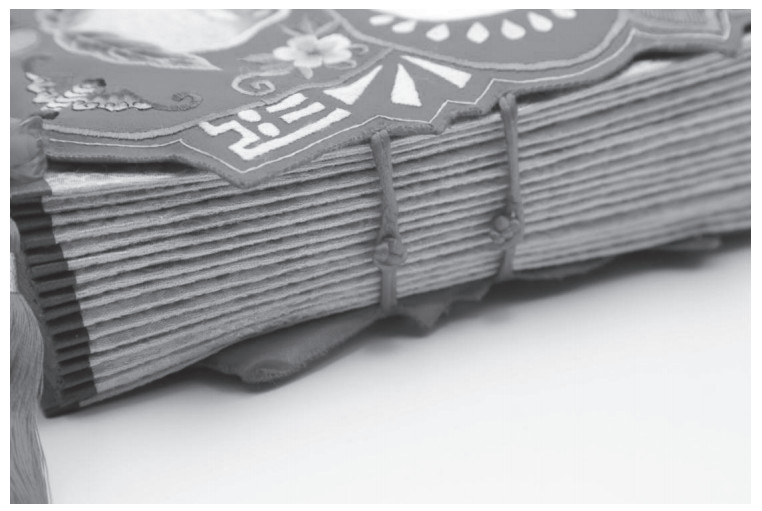
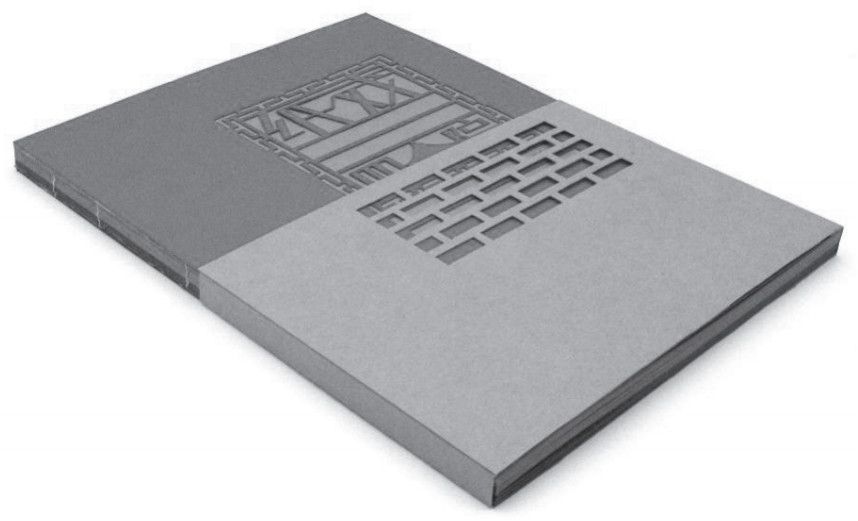
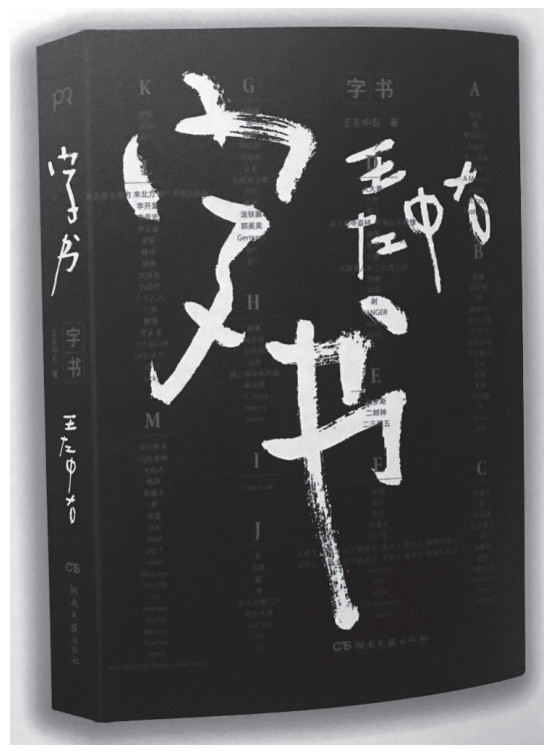
体验经济时代里的实体产品给消费者创造了难忘的“体验”过程,而在书籍出版领域里,同样的书籍内容,在不同的设计装帧诠释后,留给读者的阅读体验是不同的。随着种类丰富、获取便捷、传播速度快等特点的电子出版物的迅速崛起,对传统阅读习惯造成了很大冲击。全民阅读的持续推进过程中,具有传统阅读习惯的读者群体对多样化的书籍阅读体验的需求更加细化,因此在书籍设计过程中注重以阅读体验引导书籍设计理念具有重要的价值。
In the era of the experience economy, physical products create unforgettable "experiences" for consumers. In the field of book publishing, the same book content, when presented with different design and binding interpretations, results in varying reading experiences for the audience. With the rapid rise of electronic publications characterized by rich variety, easy access, and fast dissemination, traditional reading habits have been greatly impacted. In the continuous advancement of the national reading campaign, readers with traditional reading habits have more detailed demands for diverse book reading experiences. Therefore, in the book design process, emphasizing the guidance of reading experience on book design concepts holds significant value. The form of a book is tangible, while the experience of reading it is intangible and comprehensive. It is precisely this diverse demand for reading experiences that has led to the diversified development trend of the specific presentation forms of books, from a single, static design language to a diverse, dynamic one. Experience design in book design takes the form of the book as a platform and uses the elements of book such as layout, font, material, illustration, and structure to enhance readers' deeper cognition and understanding of the book through related experiences beyond the book's content. This article is organized into four sections for discussion. The first section focuses on the importance of reading experience, presenting three manifestations of its significance: empowering diverse reading practices, deepening the perception of text reading, and facilitating emotional resonance. A multi-dimensional interactive reading experience can overcome the barriers of language and geography, enabling readers from different regions or even countries to personally experience the cultural charm of books, thereby promoting the exchange and dissemination of diverse cultures, and enhancing mutual understanding and respect. The second section centers on the subject value of reading experience, emphasizing the application of the concept of user experience, which has been widely used in product and internet fields, to book design research. Experience design is based on humanization and addresses the specific needs of readers. Contemporary reader group is no longer satisfied with merely obtaining information but pays more attention to the pursuit of experience in reading. The third section presents the principles of book design based on reading experience, including the principles of readability, interactivity, and moderation. The fourth section discusses the applications of experience design thinking in book design, which are divided into three aspects: the applications in book materials, book forms, and book layouts. The reading process of readers is an experiential journey encompassing the experiences of book content and reading methods, and the sensory experiences such as touch, smell, hearing, and even taste of the book's format, layout, and materials. This experience process, from simple content acquisition to the enjoyment of reading, collectively forms the content memory, emotional communication, and engaging interaction that readers obtain when reading books.
张晓东. 基于阅读体验的书籍设计研究[J]. 科技与出版, 2025, 44(1): 123-130. ZHANG Xiaodong. Thoughts on Book Design Based on Reading Experience. Science-Technology & Publication, 2025, 44(1): 123-130.
http://kjycb.tsinghuajournals.com/CN/ 或 http://kjycb.tsinghuajournals.com/CN/Y2025/V44/I1/123
Cited