出版从业者不仅是文化商人,也是阅读推广人。为探究中国出版从业者整体的阅读行为特征,本文基于全国2 853份问卷调查数据,以中国出版家阅读史传统为价值资源,从职业读者视角出发描绘中国出版人的阅读认知、行为及其结构性差异。研究发现:出版从业者呈现高阅读认同与低阅读满意度并存的“知行落差”,其根源并非观念滞后,而是职业劳动对深度阅读时间的挤压;阅读内容高度集中于文艺与社科类,表现出鲜明的“生产性阅读”取向;青年、低学历与低收入群体构成出版业内部的“阅读弱势群体”;性别差异主要体现在阅读需求与满意度上,男性均高于女性;出版从业者的阅读行为受区域经济水平与职业生态空间格局的共同形塑。文章认为,出版从业者阅读困境的改善,根本上有赖于出版业良性生态的整体重建,而非个体观念的简单调整,并提出行业制度反思、职业伦理自觉与出版教育改进的调适路径。
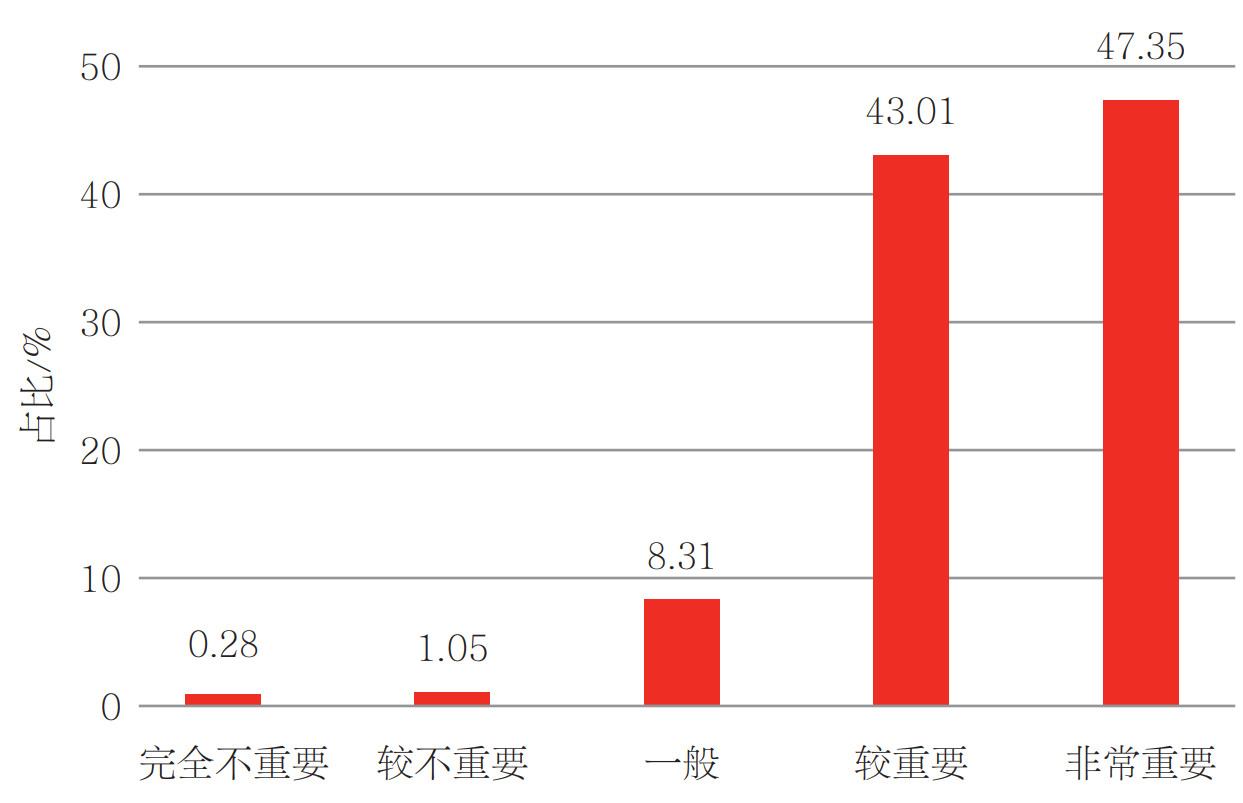
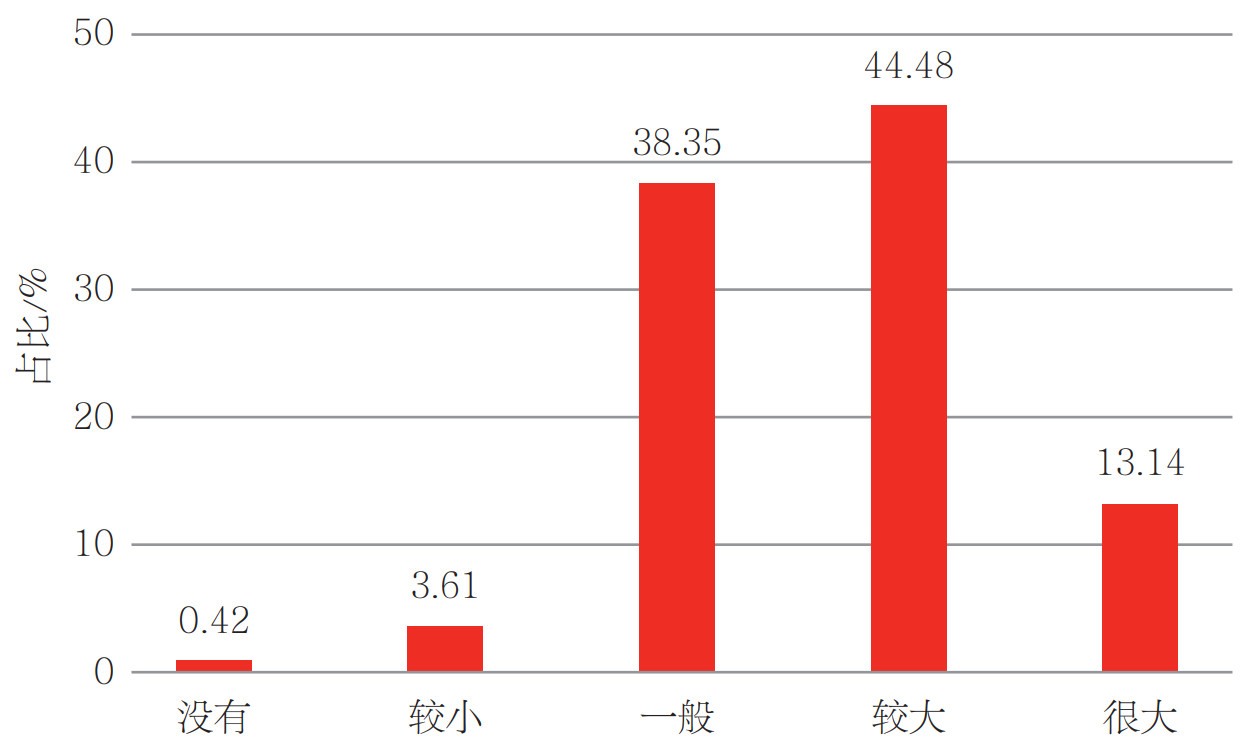
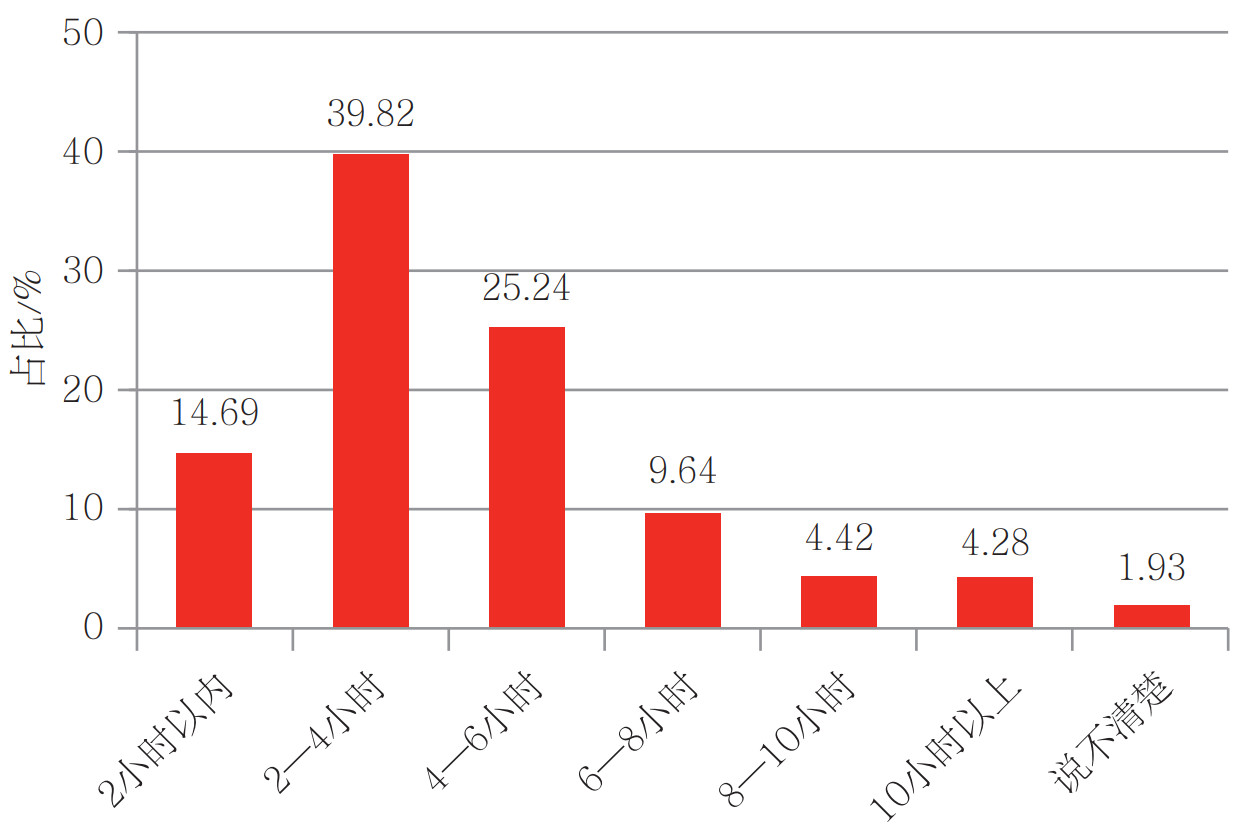
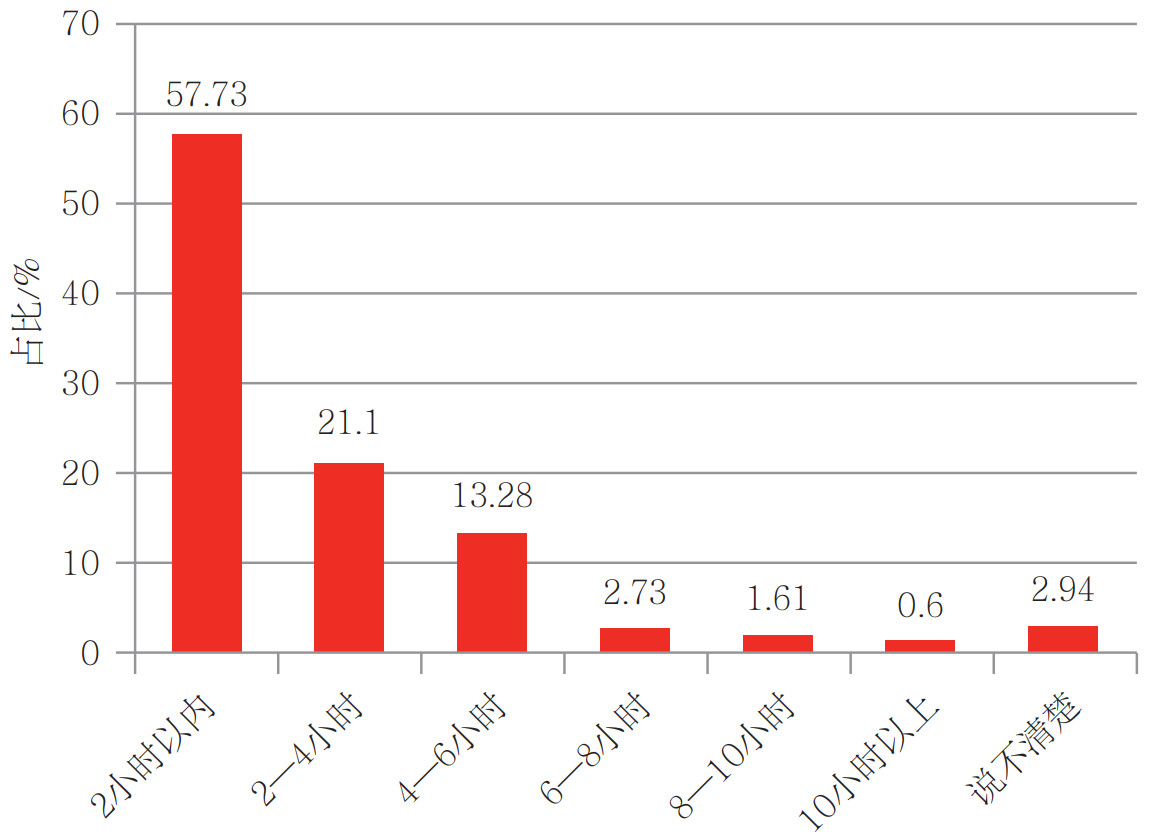
Publishing practitioners are both cultural merchants and reading promoters. Understanding their reading practices is crucial, as these directly shape the quality of published works and the efficacy of reading advocacy. However, existing large-scale reading surveys rarely isolate this professional group for targeted analysis, and historical studies on publishers' reading have largely remained at the level of individual biographical narratives. To address this gap, this study investigates the reading cognition, behaviors, and structural disparities among Chinese publishing practitioners from the perspective of "professional readers." A mixed-methods design was adopted, utilizing a 2020 nationwide online questionnaire as the primary instrument, supplemented by semi-structured interviews. Through snowball and judgment sampling targeting self-identified publishing staff, 2,853 valid responses were collected, yielding a sample generally representative of the Chinese publishing workforce. The questionnaire measured five core dimensions—perceived importance, demand, daily reading time, expenditure, and satisfaction—alongside demographic and occupational variables. Follow-up interviews provided qualitative depth for interpreting quantitative patterns. The findings reveal several key insights. First, practitioners exhibit a pronounced "knowing–doing gap": while 90.36% regard reading as important or very important (mean = 4.361/5), over half (52.09%) rate their satisfaction as merely "average," and only 32.63% express satisfaction. This gap stems not from attitudinal negligence but from systemic "time poverty" driven by intensive editorial workloads and performance pressures, which relegate deep reading to off-work hours. Second, their reading content is heavily concentrated in literature (26.80%) and humanities/social sciences (26.07%), demonstrating a distinct "productive reading" orientation serving professional tasks like topic planning and manuscript editing rather than leisure. Third, significant intra-group disparities emerge along cultural capital dimensions: practitioners under 30, with lower educational attainment, and lower-income groups constitute the "reading-disadvantaged" subgroups, with notably lower reading time, expenditure, and satisfaction. This disadvantage persists until nearly age 40, raising concerns about generational succession. Fourth, male practitioners report higher reading demand and satisfaction than females, a disparity attributed to gendered occupational structures—women are overwhelmingly concentrated in time-consuming frontline editorial roles, compounded by domestic responsibilities. Fifth, regional reading patterns broadly mirror local economic development, particularly per-capita GDP. The study concludes that improving practitioners' reading conditions fundamentally requires restructuring the industry's labor and assessment systems rather than adjusting individual attitudes. Institutional reforms are proposed, including revising volume-based performance metrics, embedding professional reading time into work schedules, and drawing on historical precedents like the Commercial Press's in-house reading rooms. Cultivating professional ethics that view reading as integral to editorial competence, and fostering "scholar-editors" through deep reading in publishing education, are also essential. This research provides the first large-scale empirical mapping of Chinese publishing practitioners' reading landscape, offering diagnostic insights and actionable pathways for fortifying the industry's cultural foundation.
尹召凯,张志强. 中国出版从业者的阅读图景与结构差异分析[J]. 科技与出版, 2026, 45(8): 15-24. YIN Zhaokai,ZHANG Zhiqiang. An Analysis of the Reading Landscape and Structural Disparities Among Chinese Publishing Practitioners. Science-Technology & Publication, 2026, 45(8): 15-24.
http://kjycb.tsinghuajournals.com/CN/ 或 http://kjycb.tsinghuajournals.com/CN/Y2026/V45/I8/15
Cited